Stiftung Sabab Lou

Between harvest and survival:
35 young people after graduation

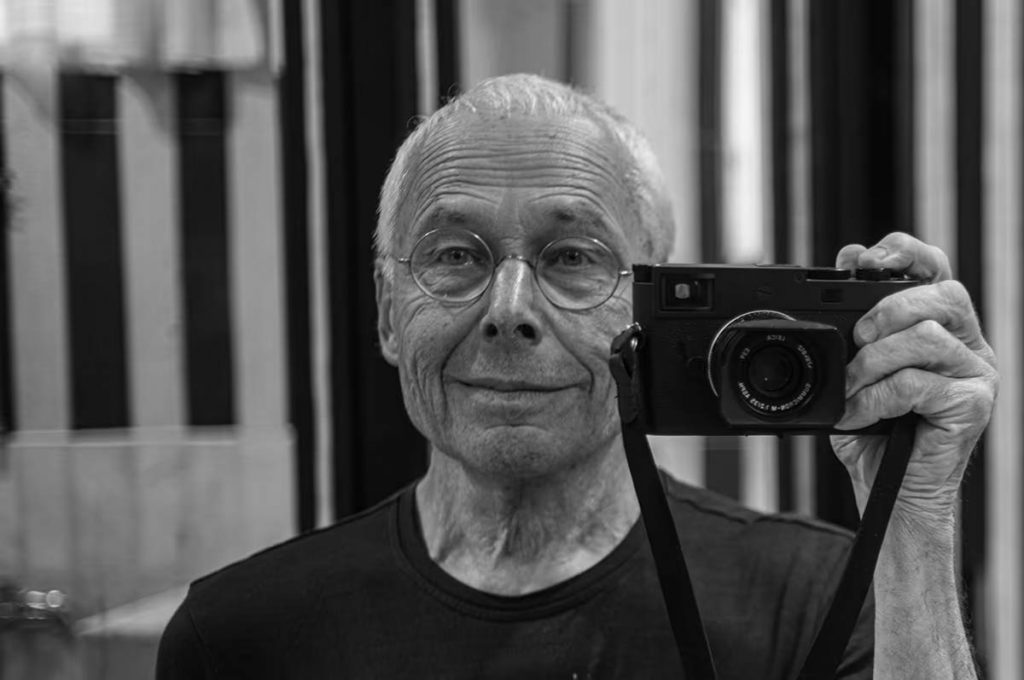
Portraits by
Friedrich Keller-Bauer

The vocational training program that we offer to young people in the West African country of The Gambia together with our partner organization, is a success story. After a 2 years vocational training in renewable agriculture the youths could build up sufficient knowledge and know-how to make a living through agriculture. And in fact, they are going to do so.
 
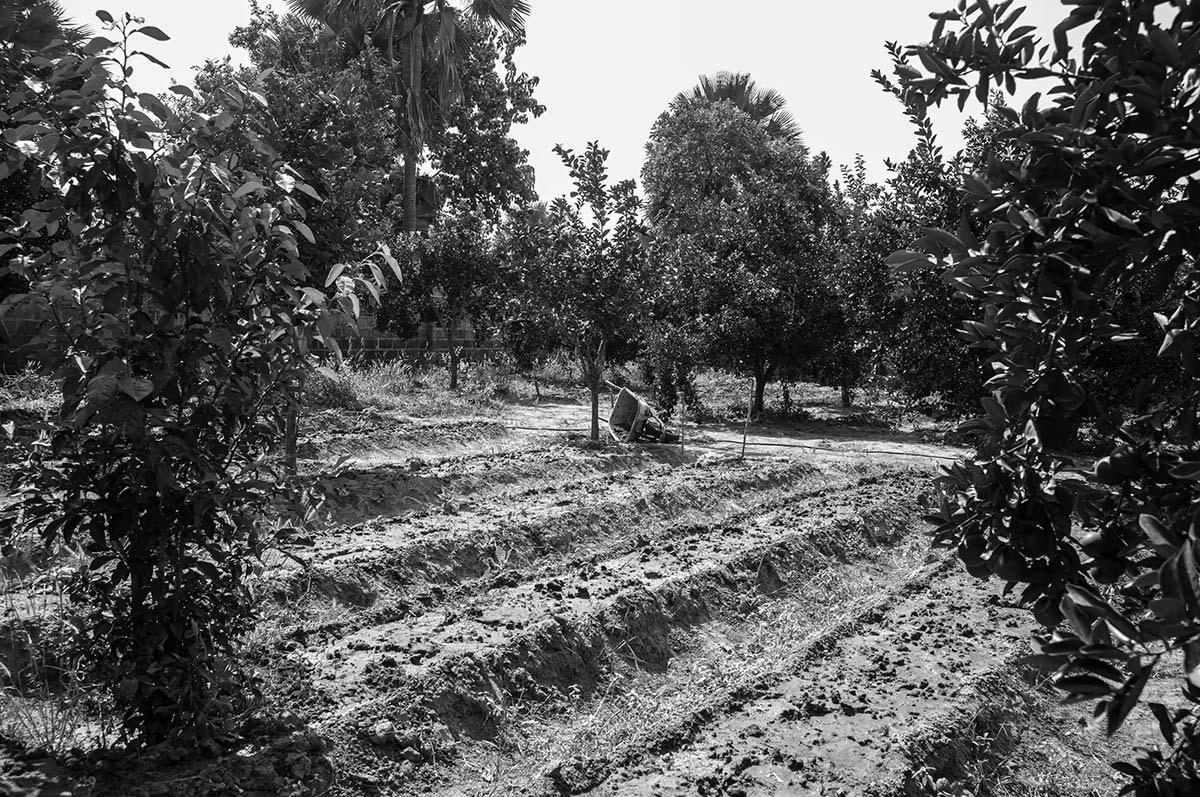
Eighteen months after the fourth training cohort graduated in summer of 2024, I visited the young people between December 2025 and February 2026, meeting them where they were living and working. Accompanied by Momodou Y Bah, the CEO of our Gambian partner organization, I travelled across the country to reach them, often in very remote places. I wanted to find out how they were doing, and how they were managing with what they earn. Conclusion: With the exception of three young women who are pursuing further studies, all graduates are working. They are able to make a living. More than two third of the 35 interviewees are working in agriculture.

This is a remarkable success story. It’s a hopeful beginning. But what’s next? The young people have dreams for their future lives. They want them to be embedded in sustainable future plans.

I describe the living circumstances of the young people on a case-by-case basis, sometimes in more detail, sometimes more briefly. In every case, however, I provide key information such as the type of employment, monthly income, how they use their income, and what they plan for the future. The burdens that these young people carry are enormous. As soon as they start earning money, they have to support their families. A significant portion of their income goes to their mothers, fathers, and younger siblings. A welfare state, such as the one we have known since one and a half centuries, does not exist. What remains for building savings, is therefore very little, and it will take years before they can accumulate enough to establish their own business.

Just take an example: Egan and Marun, whom I refer to in the following, earn 5,000 Dalasi each, roundabout 60 Euro per month, what is more or less an average salary per month. out of this, they give 2,000 Dalasi to their families, another 2,000 Dalasi can be saved, 1,000 Dalasi are for their daily needs. Egan e.g. can reserve 2,000 Dalasi, 25 Euro a month for her dream to establish a poultry farm. If all goes well, she can save 300 Euro within 12 months. To start with poultry on her own, it would take 10 years. In a few weeks Egan will be 23, she wants to have a family and kids.

To offer young people like Marun and Egan some qualified vocational training is important, as it enables them to start building a livelihood for themselves and their families through their abilities and hard work. However, sustainable development work means more than that. Basically, it means to enable these young people to make their life’s dreams come true. With this, a high standard of complex expectations has to be met, entailing specific measures in each case. Individual measures have to be adjusted to the current situation in the course of their business trajectories. That is what we are working on. In practical terms, this includes, for example, providing appropriate financial support to help smallholder farmers develop their business.

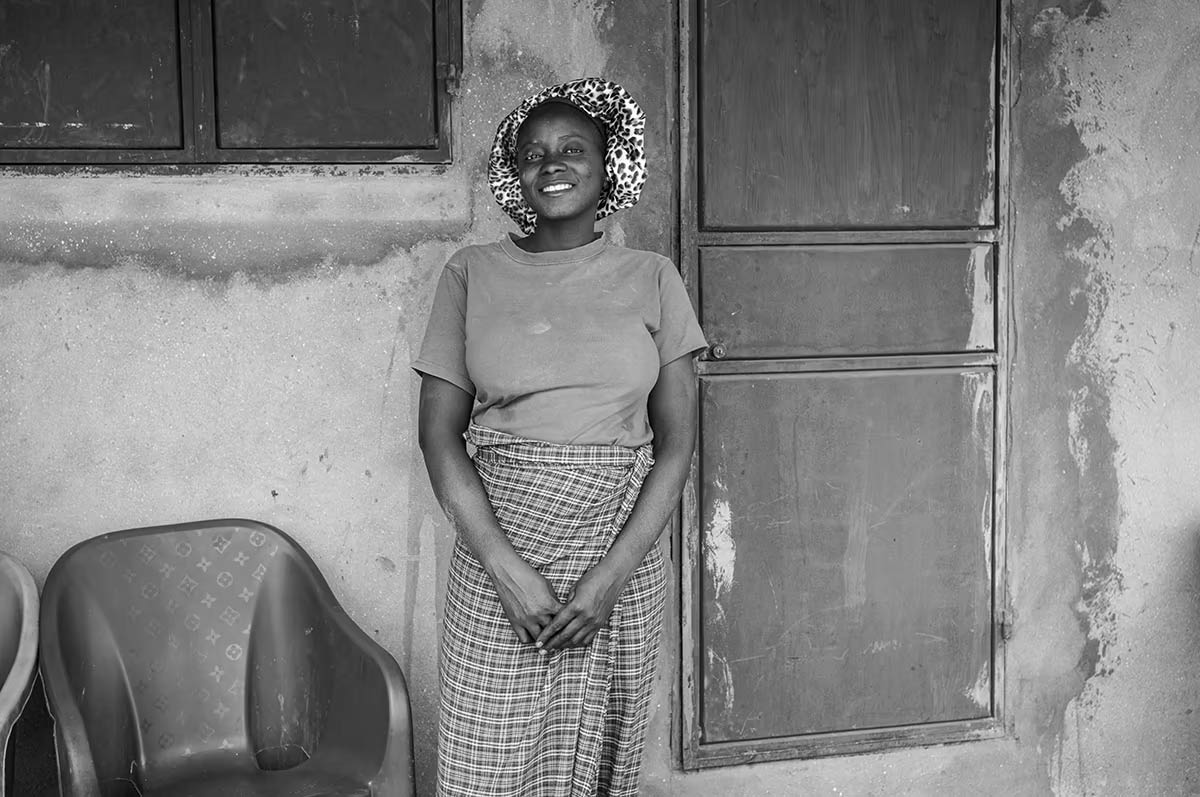
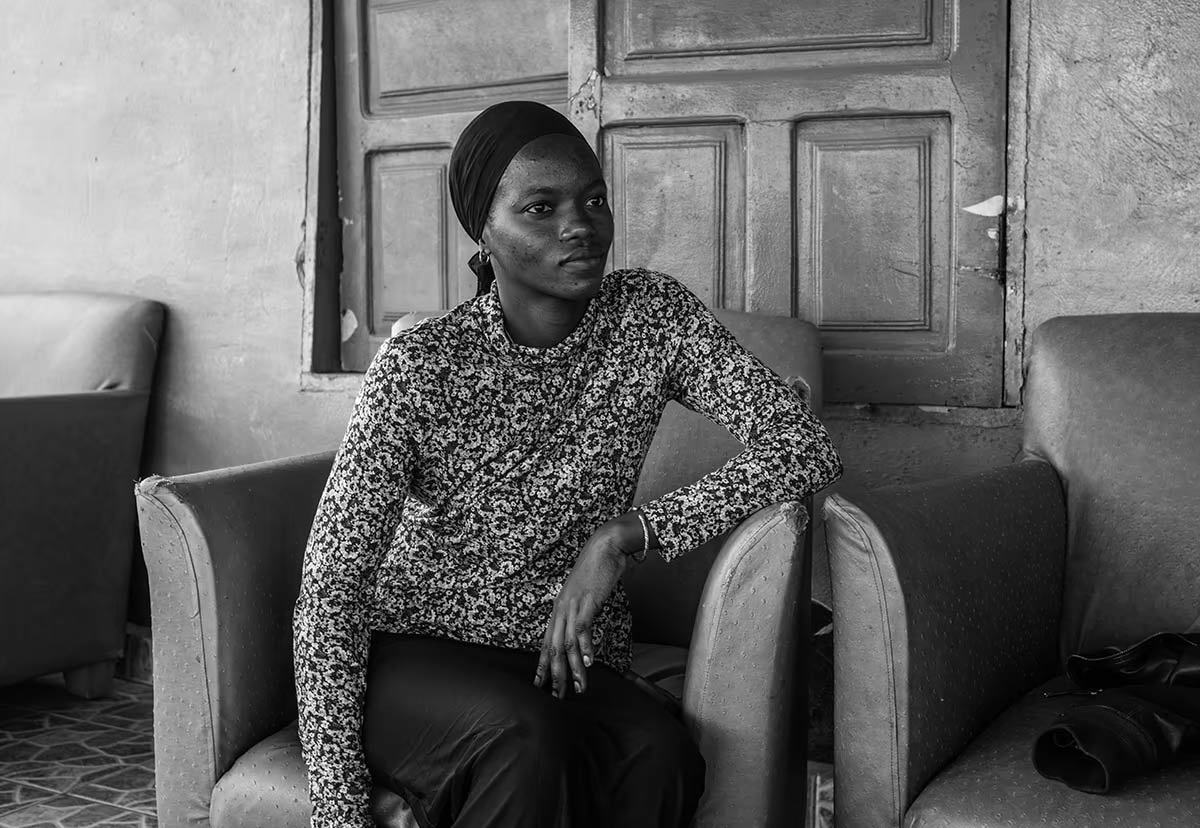
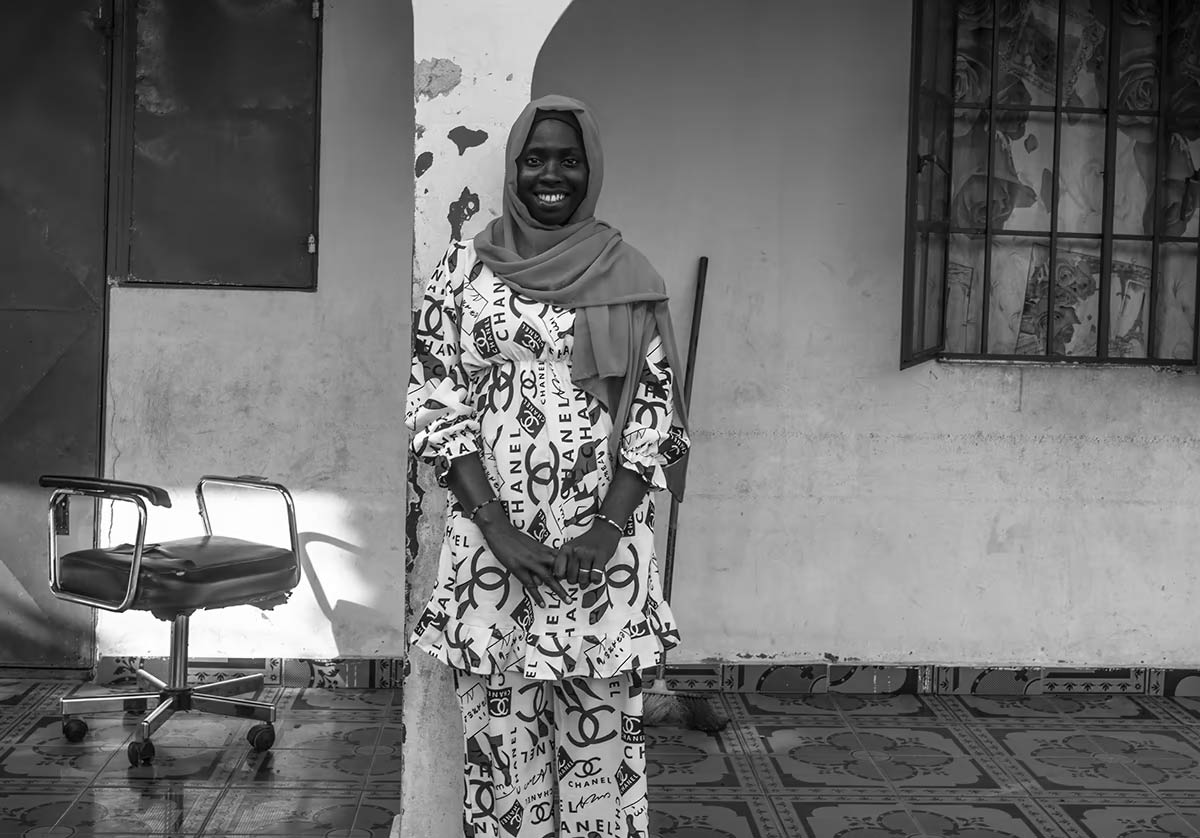
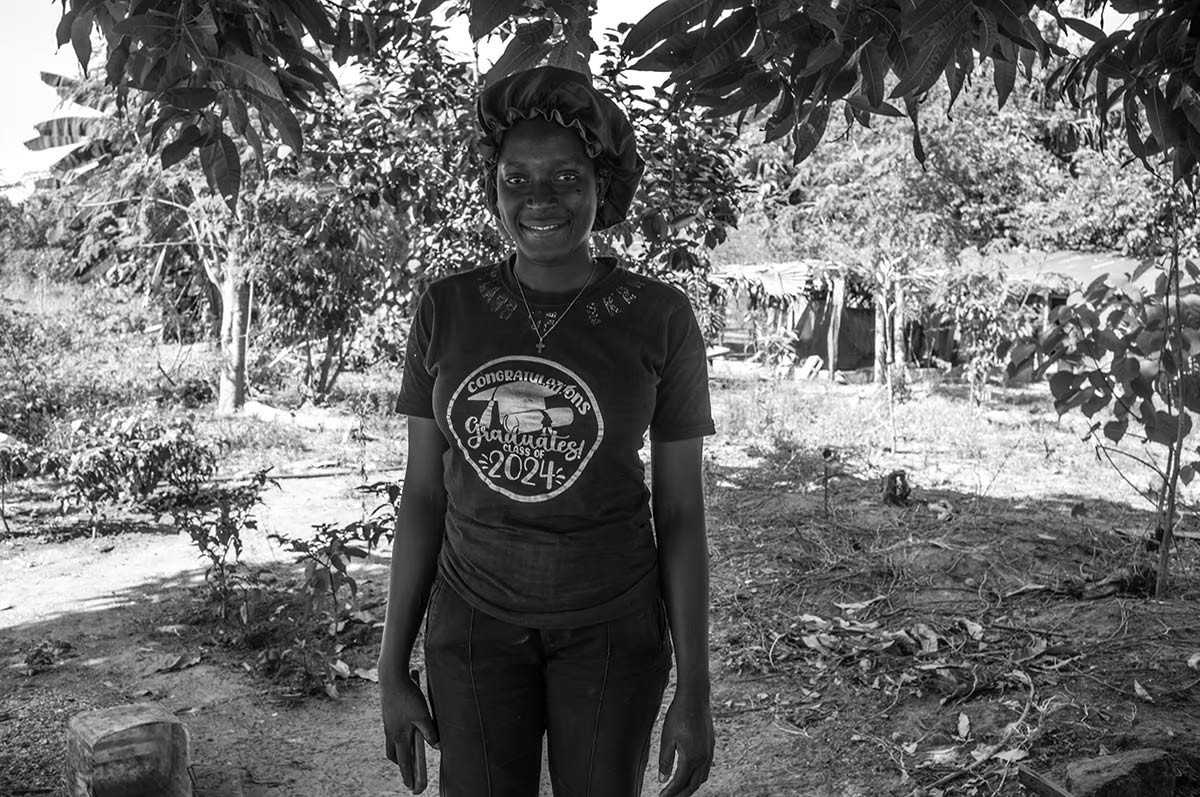
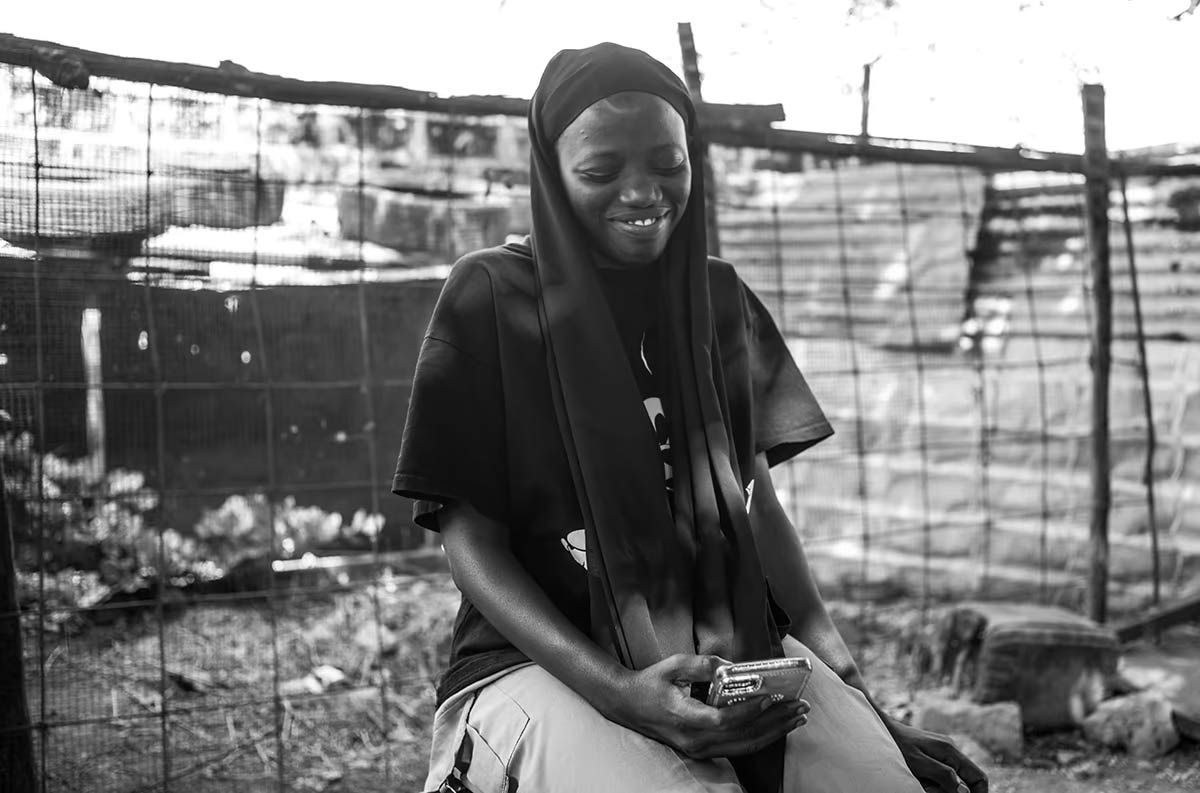
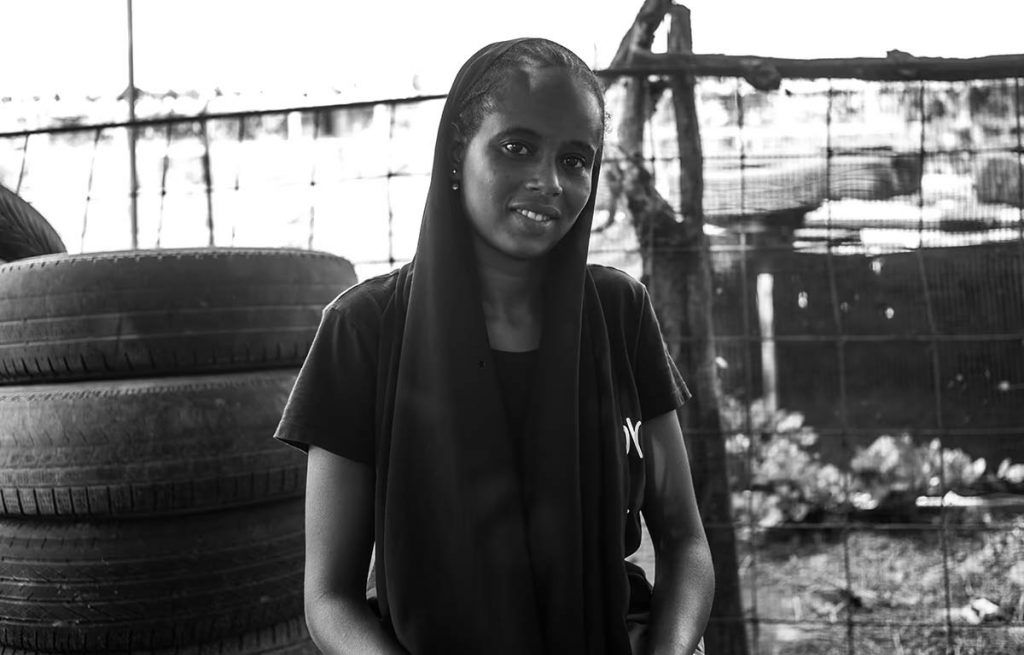
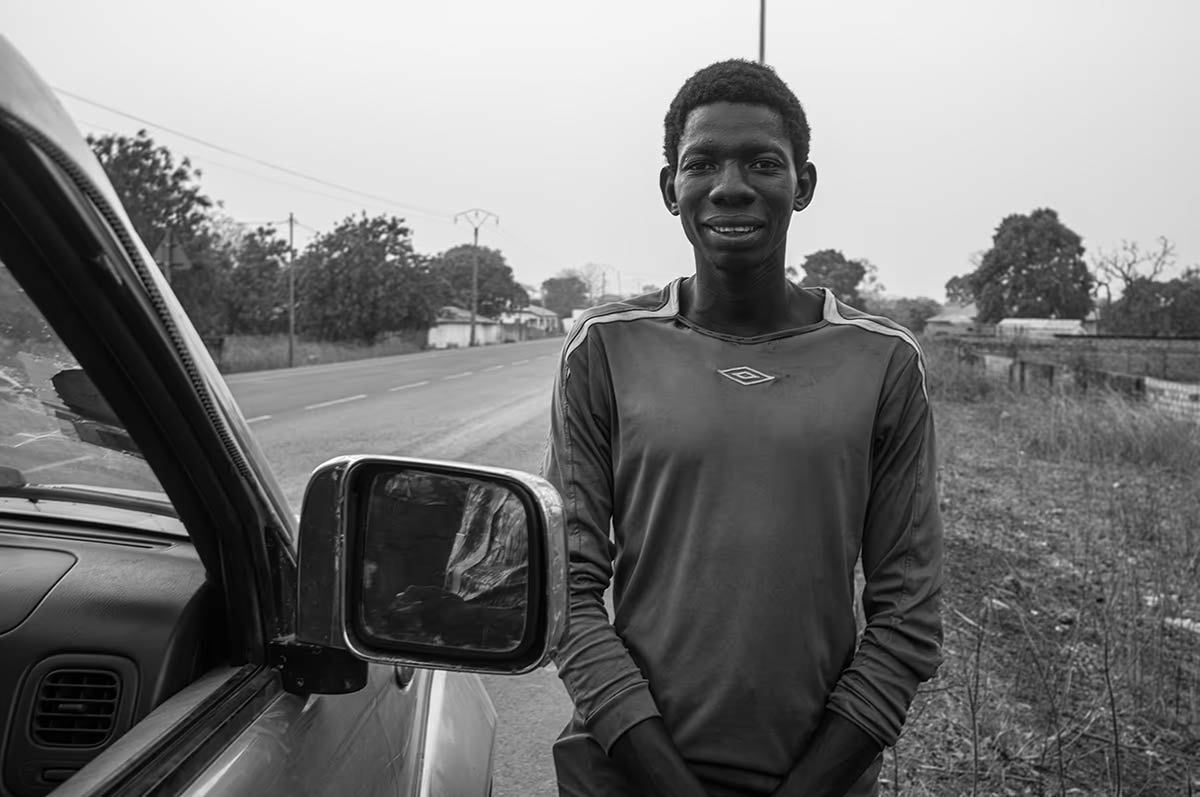
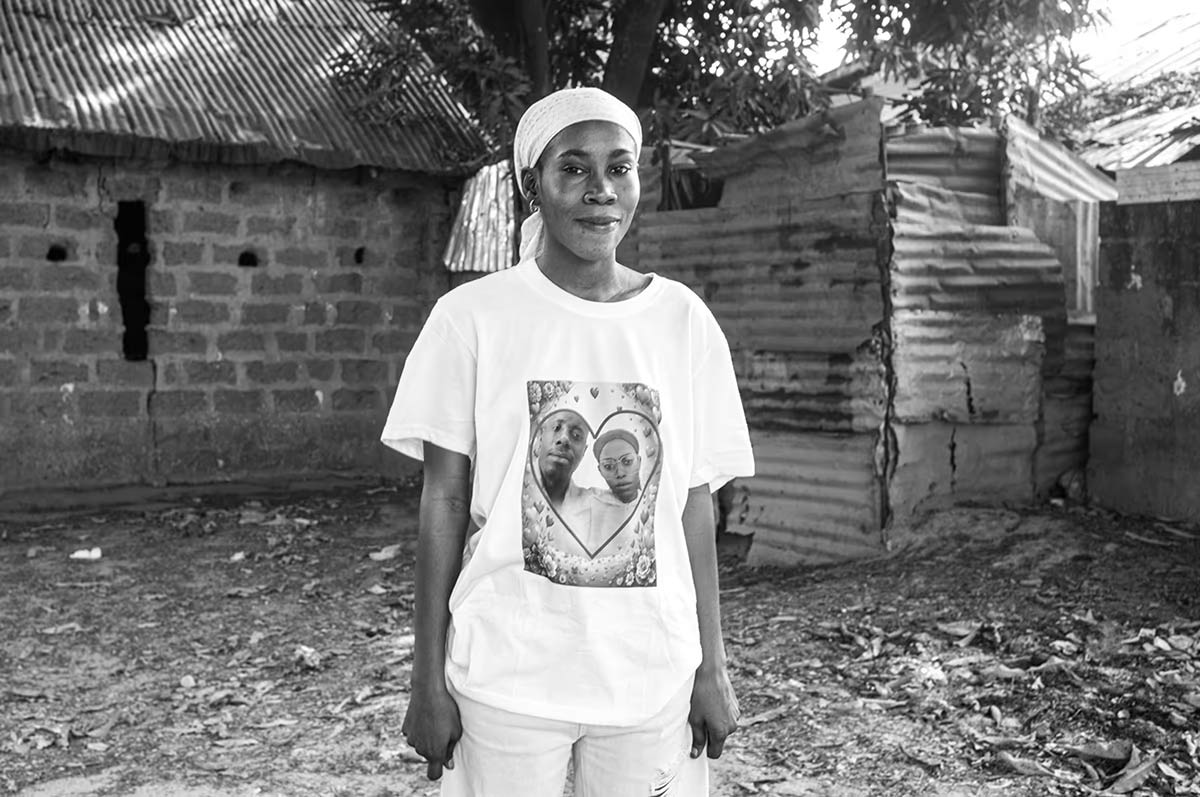
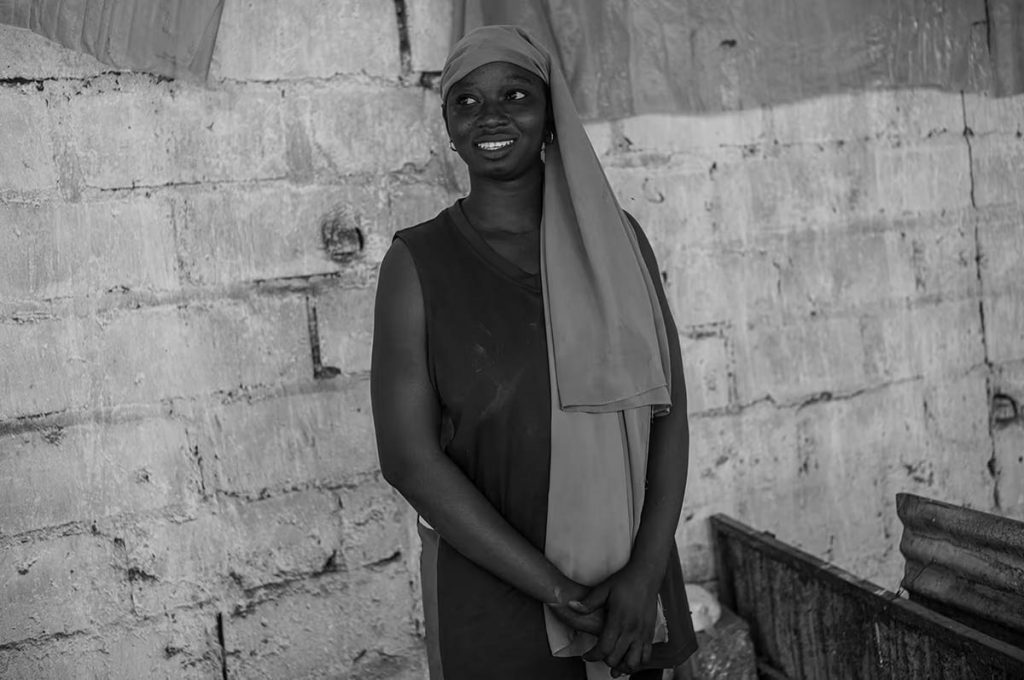
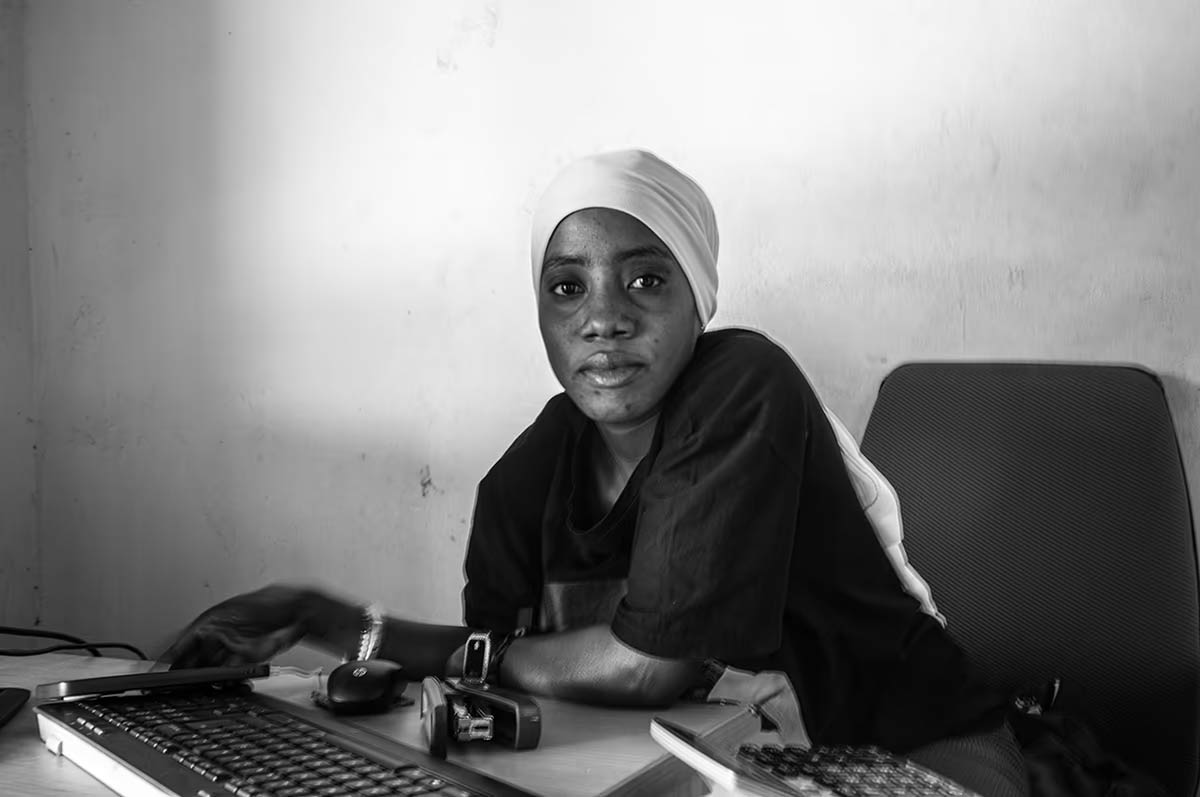
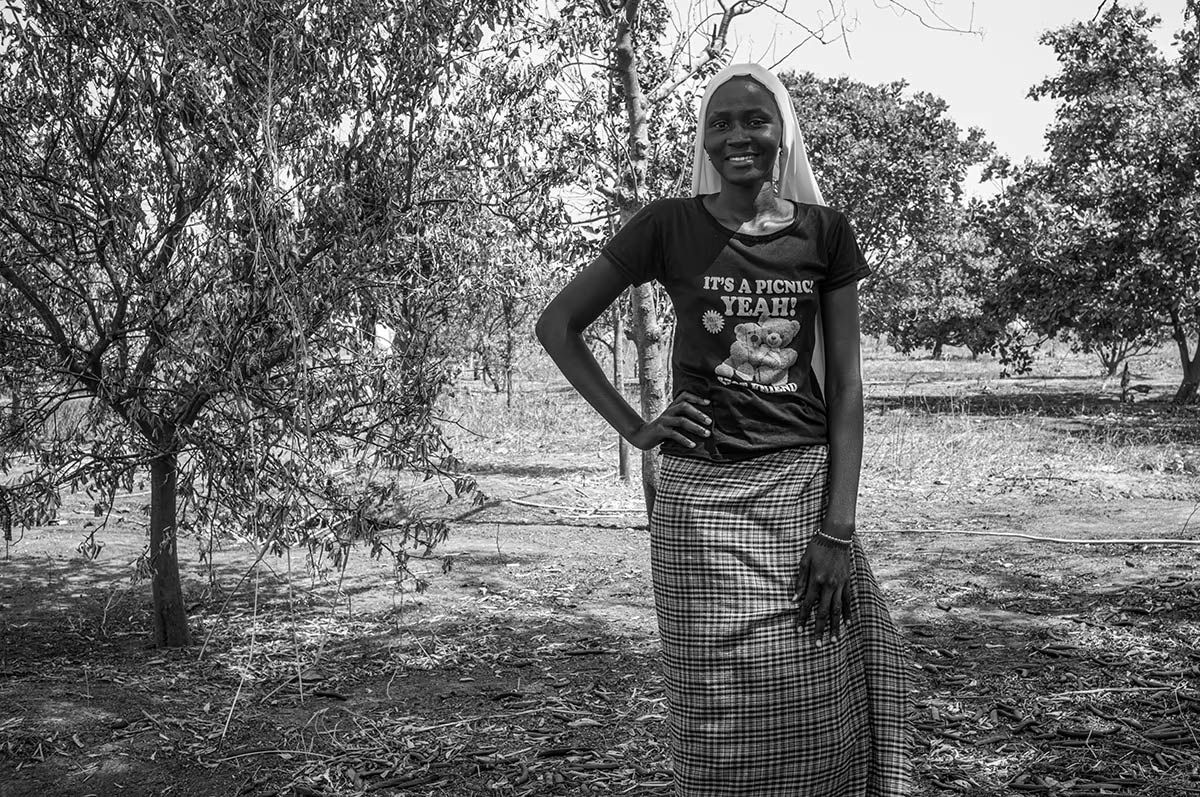
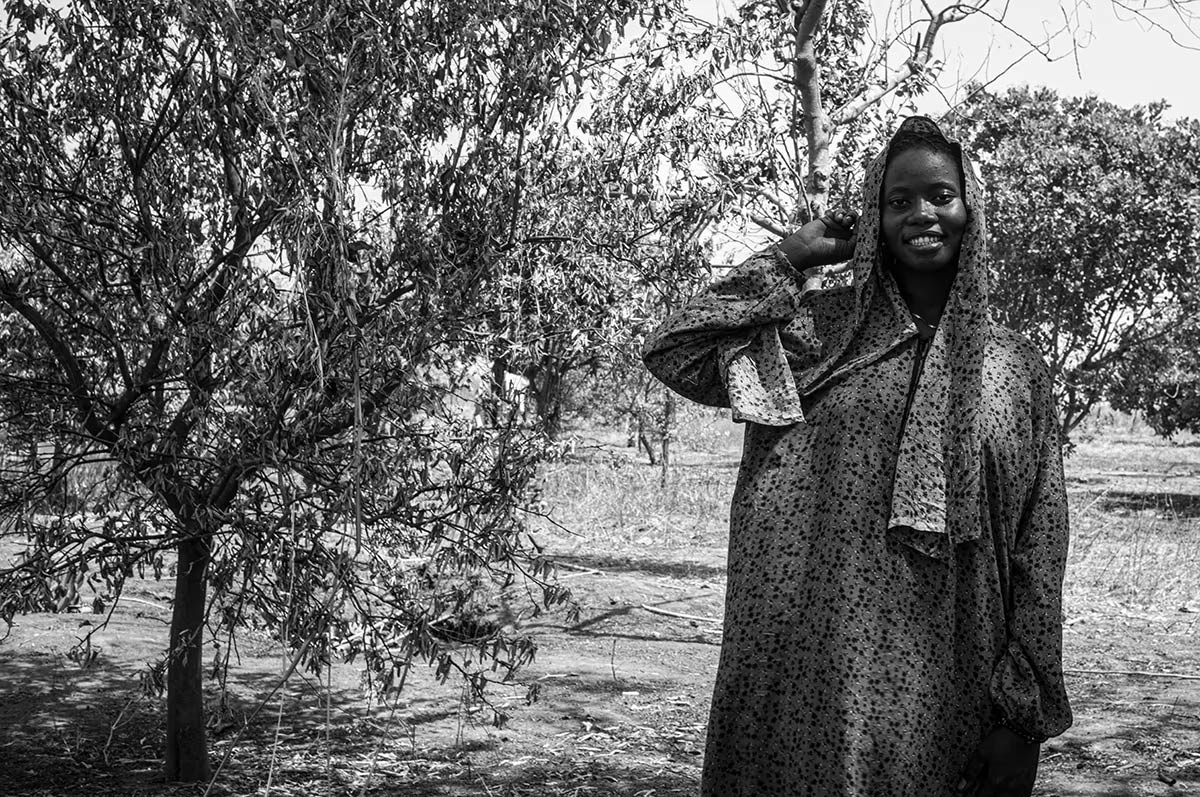
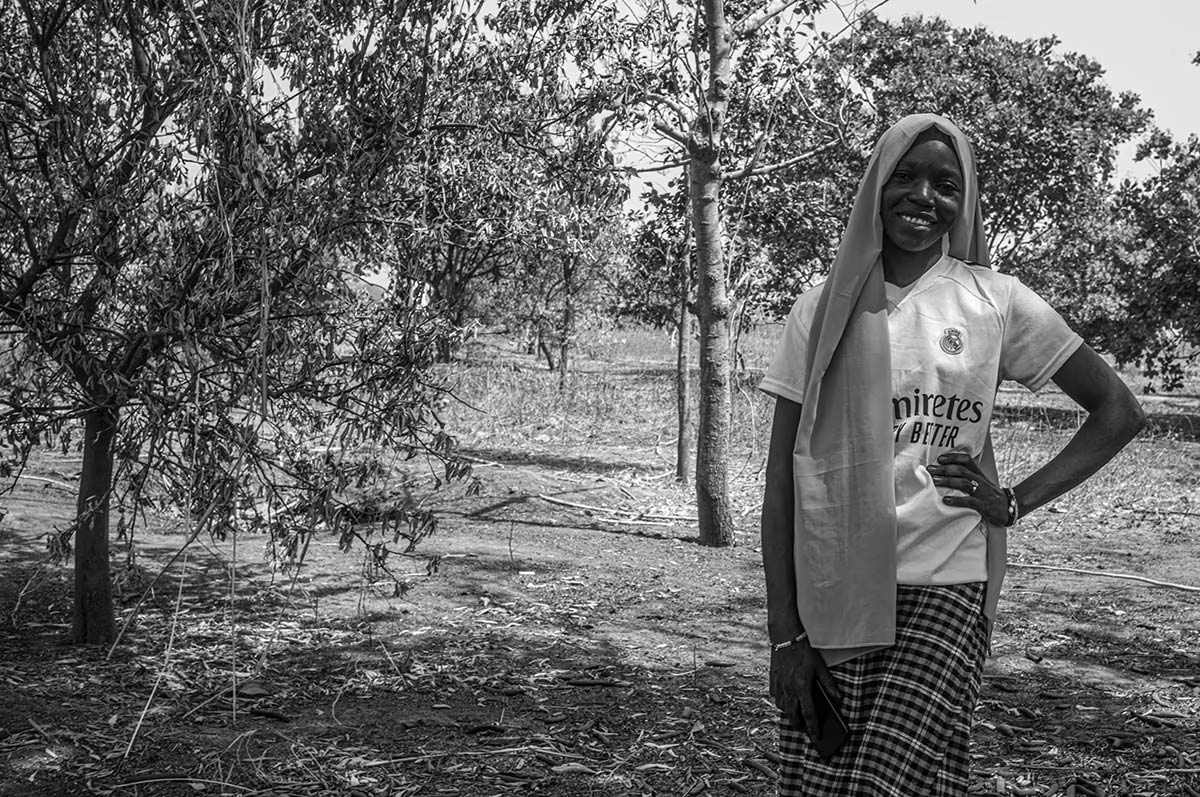
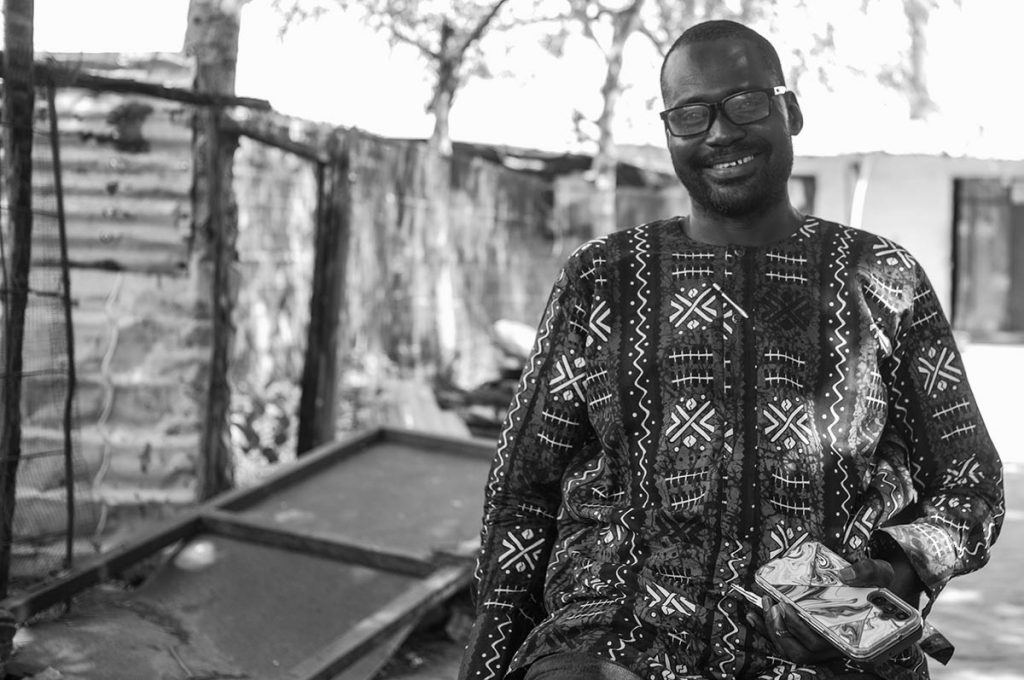
The portraits that follow do not offer individual solutions. They want to create understanding of the situation these young people are in. It is only from such an understanding that the right solutions can emerge.
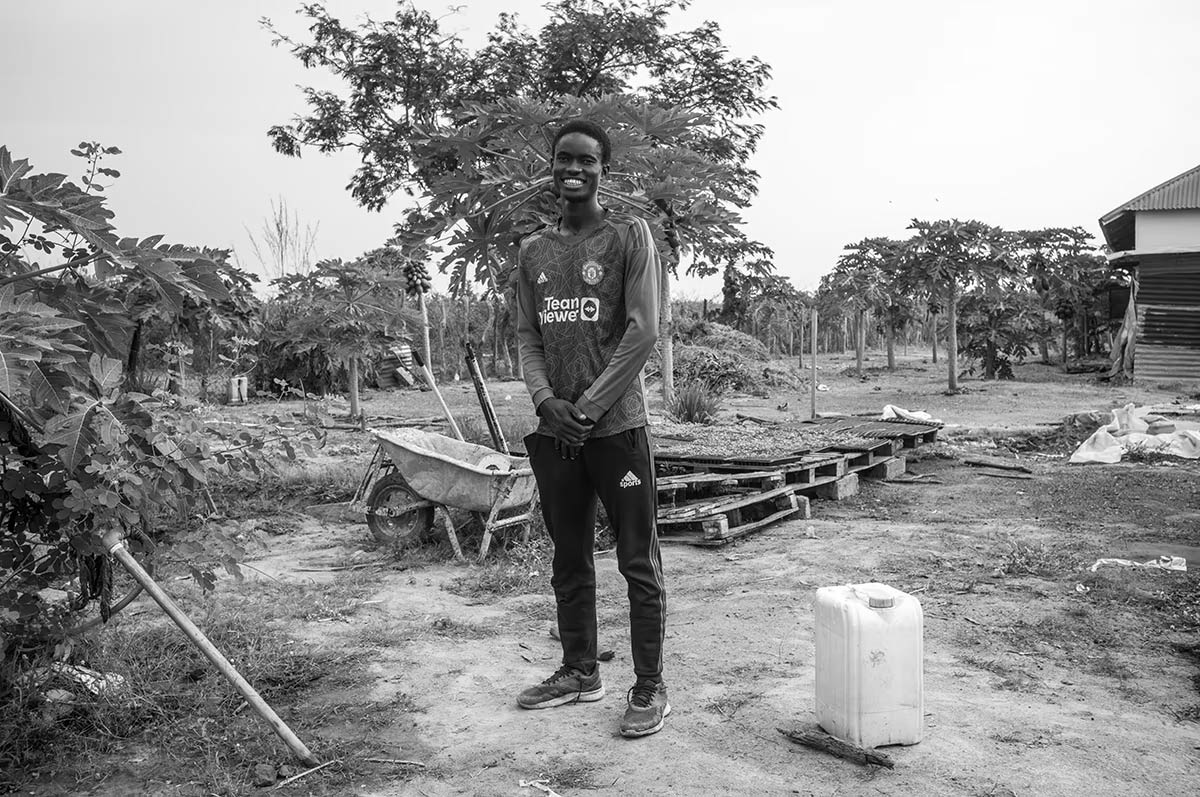
Mamadi J.

born 21.06.2002

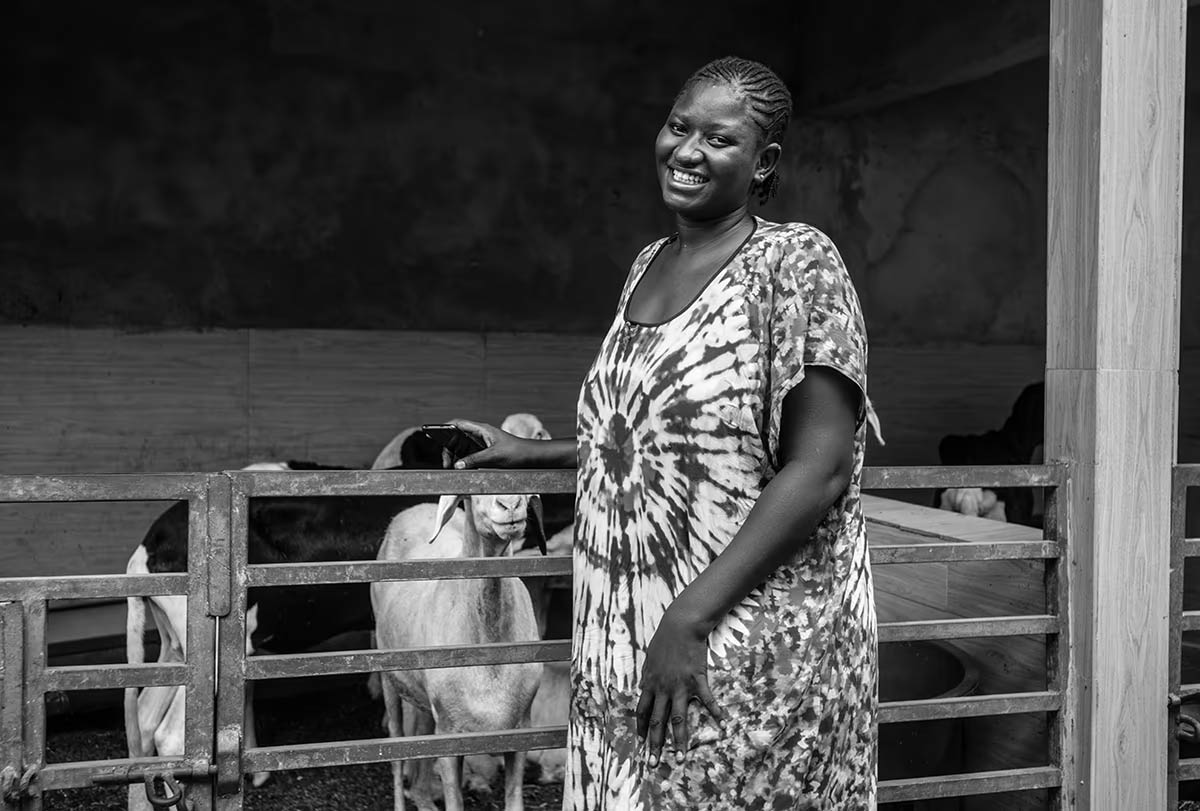
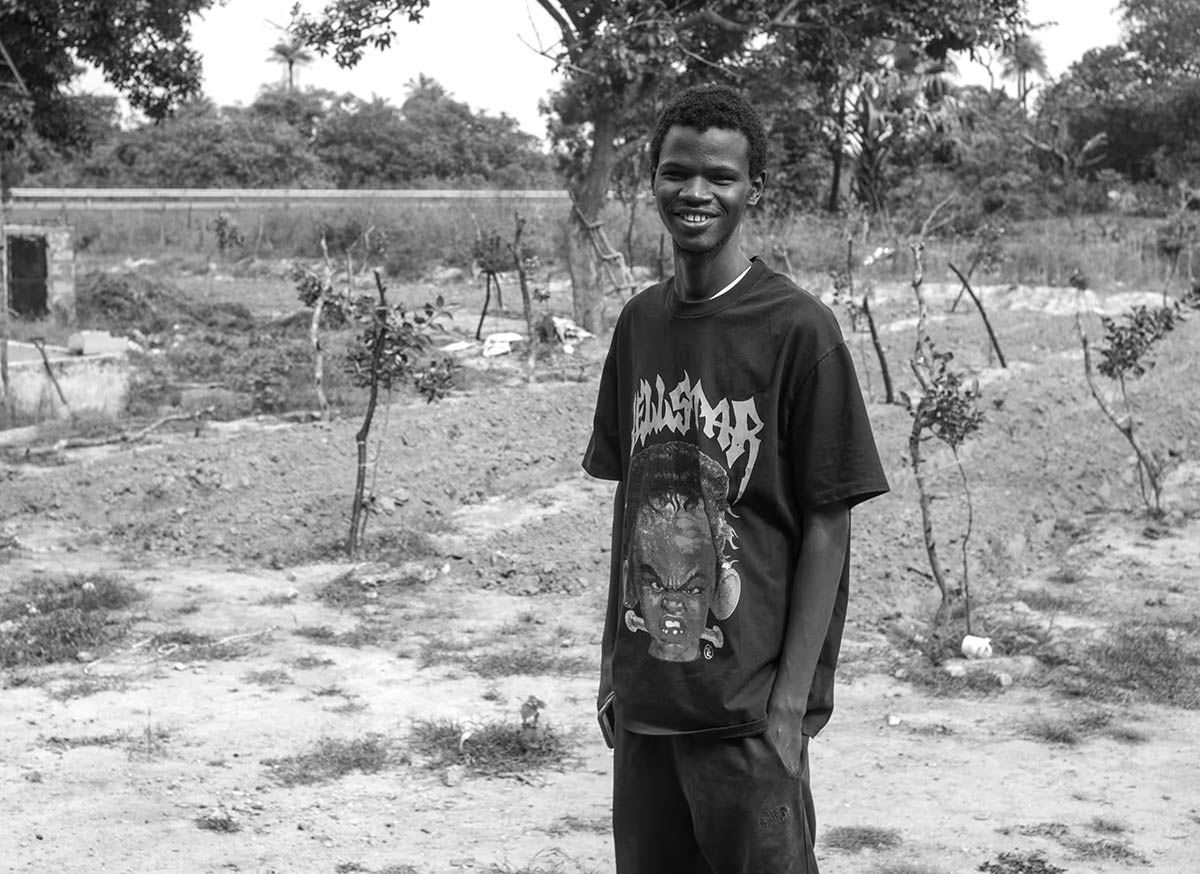
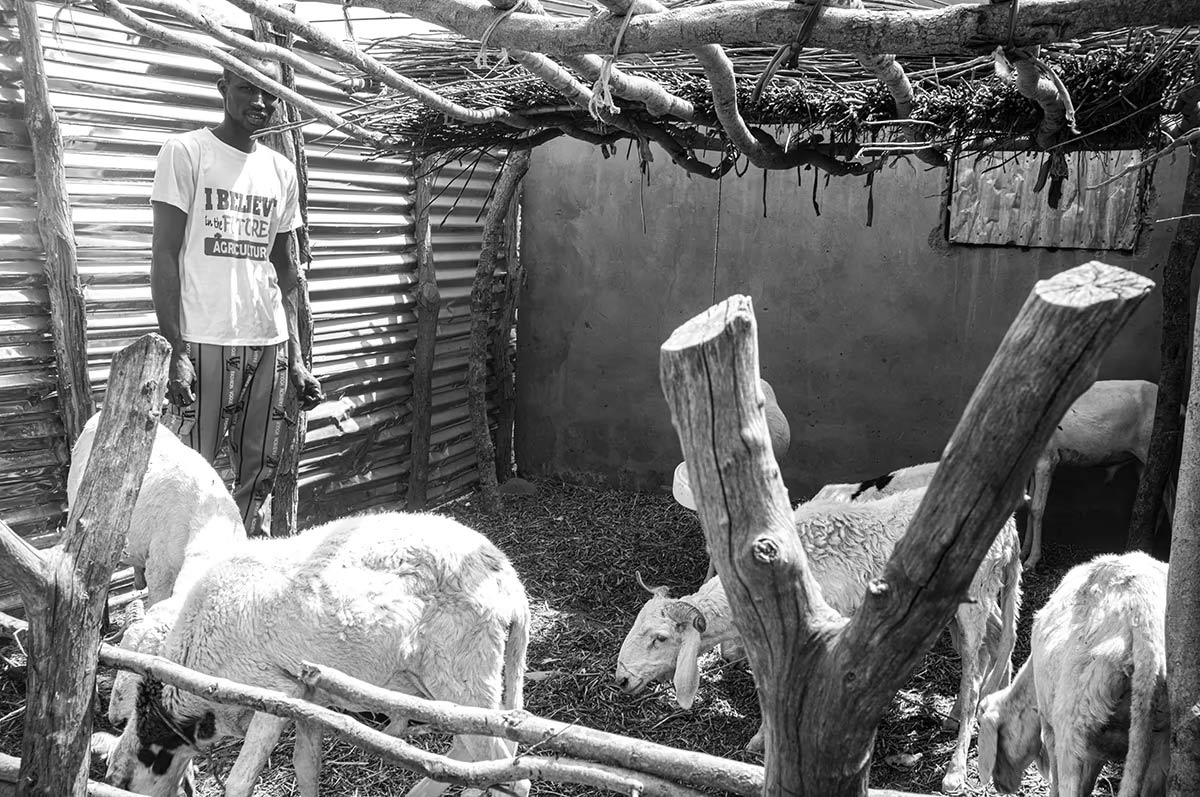
Together with his fellow graduates Lamin and Musa, Mamadi works on a large vegetable and poultry farm in Faraba Sutu in the West Coast Region. He earns 5,000 Dalasi per month, 3,000 of which go to his family. Sooner or later, he will leave the farm. 

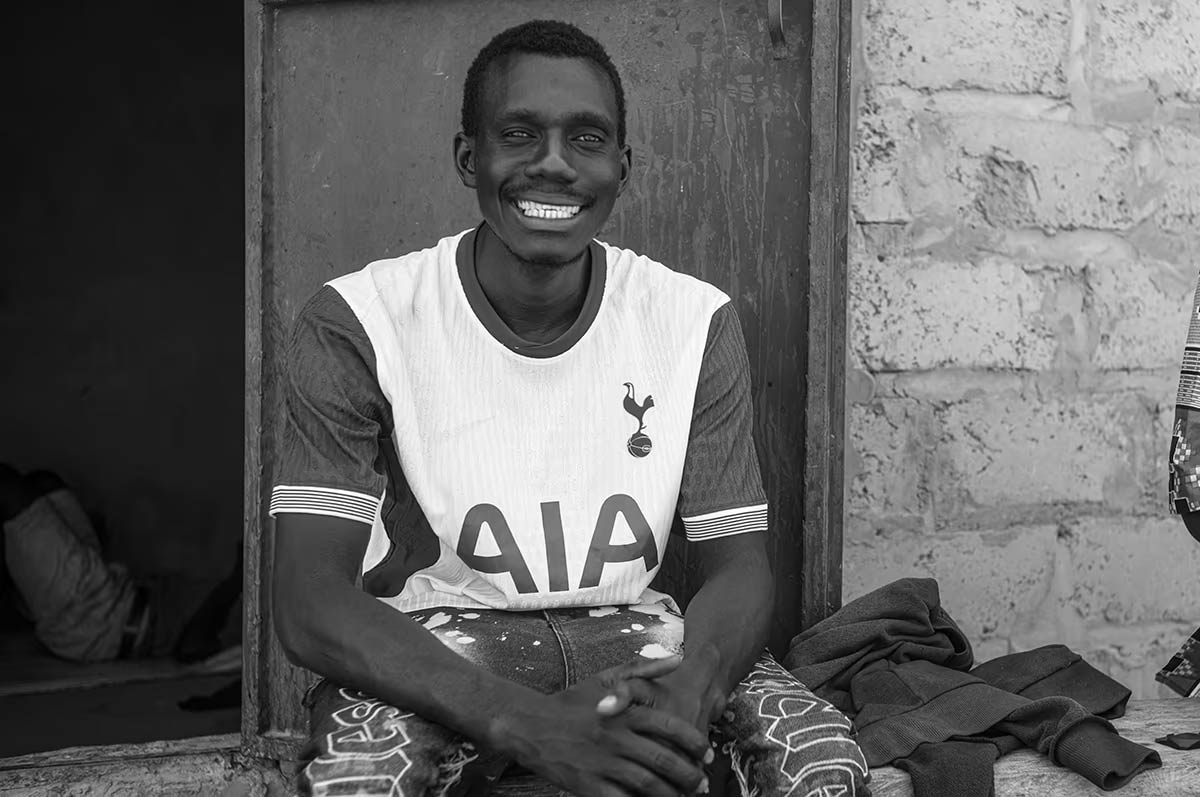
Mamadi is all smiles. He is one of five winners of a competition organized together with the UN’s Food and Agriculture Organization as part of a larger project. The prize: a grant of 250,000 Dalasi (approx. 3,500 USD) for launching an agricultural business.

In Mamadi’s case, an additional loan of 90,000 Dalasi (more than 1,000 Euro) was provided by us for purchasing livestock. His plan: ram fattening, a profitable business in Muslim countries like The Gambia, especially during the Islamic festival Eid al-Adha, commonly known as Tobaski. Lucky guy.

Amie B.

born 24.11.2002

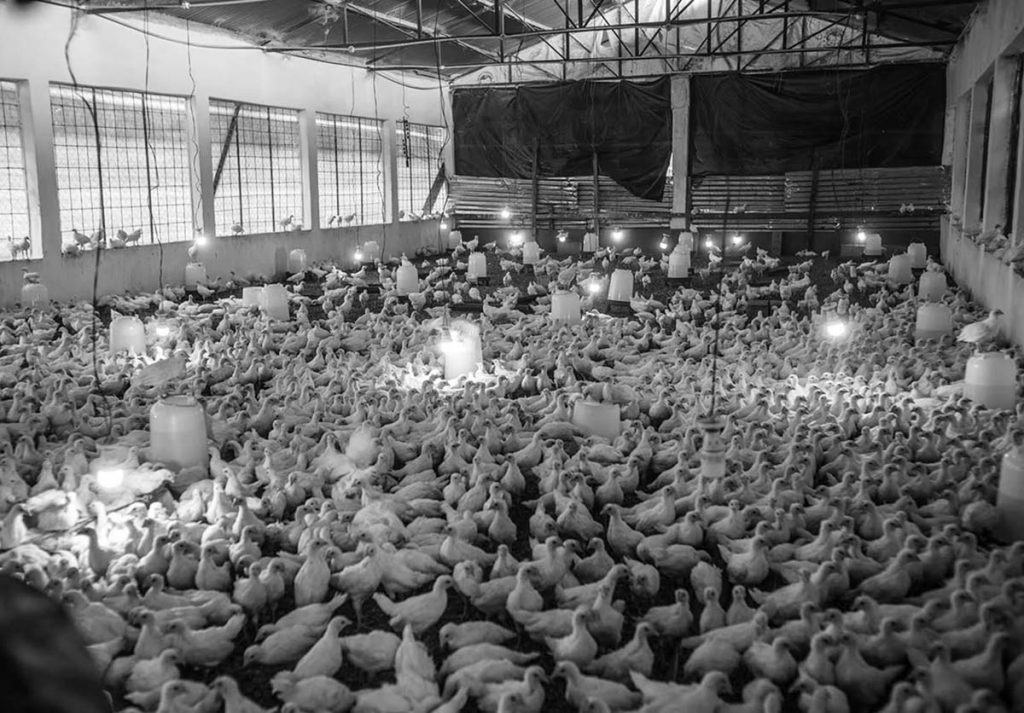
Amie works on a poultry farm in Jambur, West Coast Region, which has several thousand layers, some of which are kept in deep litter systems, some in battery cages. She currently earns 5,000 Dalasi (60 Euro), and expects a raise to 6,000 Dalasi at the beginning of 2026. She supports her family with 25 Euro per month, saves another 25 Euro, and keeps a little bit more than 10 Euro for daily needs.

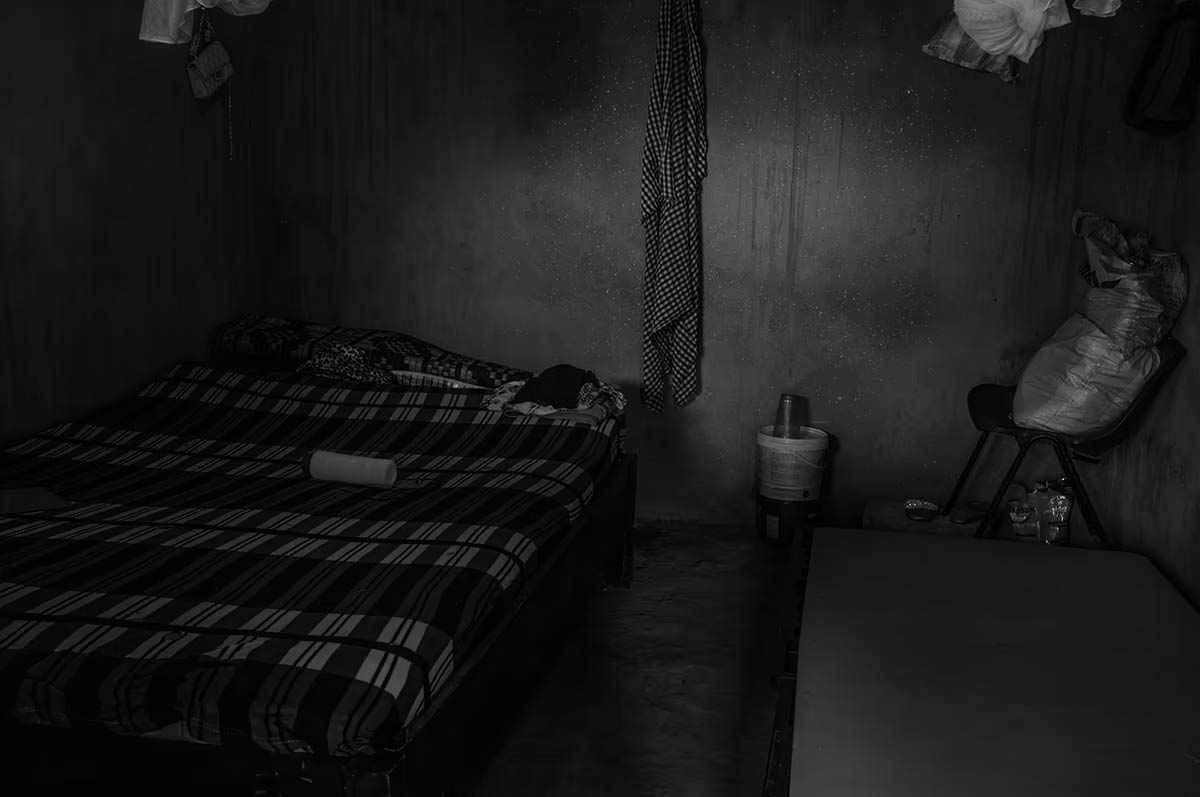
The farm provides accommodation, however, she must pay for her own food, which she shares with Dawda, who also works there. I was able to look into the windowless room where she sleeps. Apart from a plastic bag with her belongings, a small bucket with a glass of water on a stool, and a water bottle on the bed, there was nothing else.

Amie is a hard working woman. She dreams of having her own poultry farm. With support of a low-interest loan, she might succeed.

Mamadou J.

born 21.06.2002

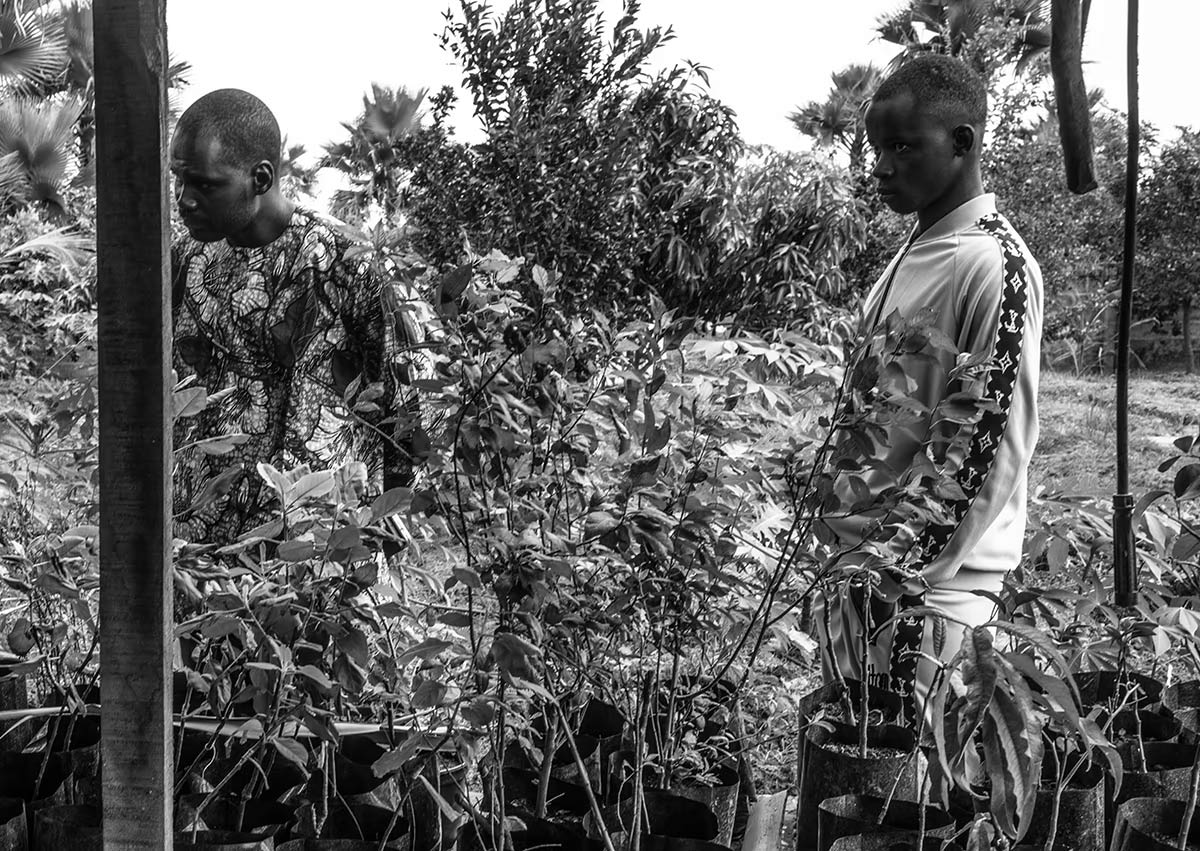
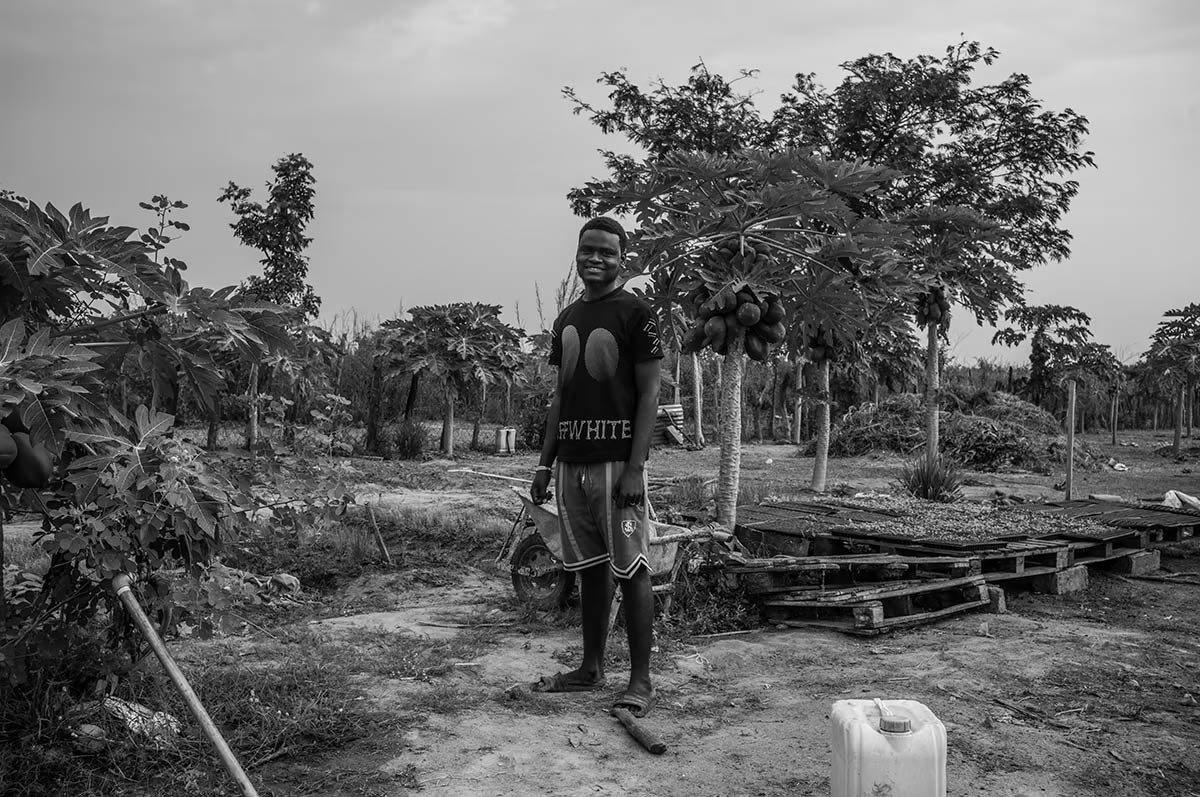
Mamadou works on the farm of a renowned sports journalist in Banyaka, West Coast Region. The farm resembles a large experimental field. In addition to various grapevines imported from Italy, all kinds of fruit trees grow on the roughly one-and-a-half-hectare site. Mamadou earns a good salary of 6,500 Dalasi (80 Euro) per month, from which he can save 50 Euro. He is staying with a family in Banyaka.

He appears to be an exceptionally creative and intelligent young man. His plan: once he has saved enough, he wants to breed maggots for the poultry and the fish industry, as he has learned it. Compared to an investment for a vegetable garden or for layers, he would only need about 50,000 Dalasi (600 Euros), equivalent of twelve months of saving. And he is well on his way. In the photo, he is pictured together with Momodou.

Dawda D.

born 03.06.2003

Dawda works with Amie on a poultry farm in Jambur in the West Coast Region. His income situation is the same as with Amie: 5,000 Dalasi, roundabout 50 Euro, per month, thereof 25 Euro are trasferred to his family, 25 Euro are saved, a little bit more than 10 Euro remain for daily expenses. From January onward, remuneration should increase to 6,000 Dalasi. Hopefully. Dawda, too, is working hard toward becoming a self-employed farmer back home in the eastern part of the country, in the Central River Region.

Saruba J.

born 26.06.2002

Saruba works together with Amie Bah and Dawda Dem on a larger poultry farm in Jambur, West Coast Region, where she holds a supervisory position. She earns 6,000 Dalasi (75 Euro) per month; 3,000 Dalasi go to her family, 1,500 Dalasi are saved. Her plan: poultry farming.

With 2,500 layers, she produces 56 crates of 30 eggs each, 1,680 eggs per day. This equates to a laying rate of 0.67 eggs per hen, which, according to Momodou, is not bad. She seems to be quite knowledgeable and competent. With appropriate financial support, I believe she can succeed.

Kaddijatou W.

born 16.03.2002

Kaddijatou works in a compound in Busumbala, in the West Coast Region near the airport of Banjul.

Like many her age, she speaks about losing her parents at an early age and being raised up with various aunts or uncles. Momodou had prepared me; she suffers from some mobility problems. The compound has a large courtyard where, at the time of our visit, a great number of kids had gathered. In a choir-like chant, they were reciting verses from the Qur’an.

Kaddijatou leads us to the back of the building to show us the sheep she is now responsible for. She earns 5,000 Dalasi, roughly 60 Euro. Of that, a little bit more than 10 Euro go to her family, 30 Euro cover her personal expenses; accommodation and lunch are free, but breakfast and dinner are not. The rest goes into savings. Her plan: to raise her own sheep.

Fatou J. B.

born 26.09.2000

Fatou works as a waitress at a beach restaurant in Brufut Heights Beach, West Coast Region, which is currently under renovation. She cannot say when it will reopen. During our visit, two tourists from France were plastering the dining room walls. Have they rented the place? Who is running it?

Fatou earns 3,000 Dalasi per month, just under 40 Euro. As the eldest child, she supports her family with 30 Euro; the rest remains for her own living expenses. As we leave, I wonder what kind of life that might be. Fatou undoubtedly lives in precarious conditions.

In her final thesis a year ago, she wrote that she wanted to run a poultry farm and support her family with her knowledge and skills. I mention that we have set up a loan fund and encourage her to apply for a loan to start her own business with layers.

Lamin D.

born 03.04.2004

Lamin works with Mamadi on a big vegetable and poultry farm in Faraba Sutu, West Coast Region. He earns 5,000 Dalasi, roughly 60 Euro, per month, 25 Euro of which go to his family. His plan: sheep fattening.

Foday L.

born 31.01.2002

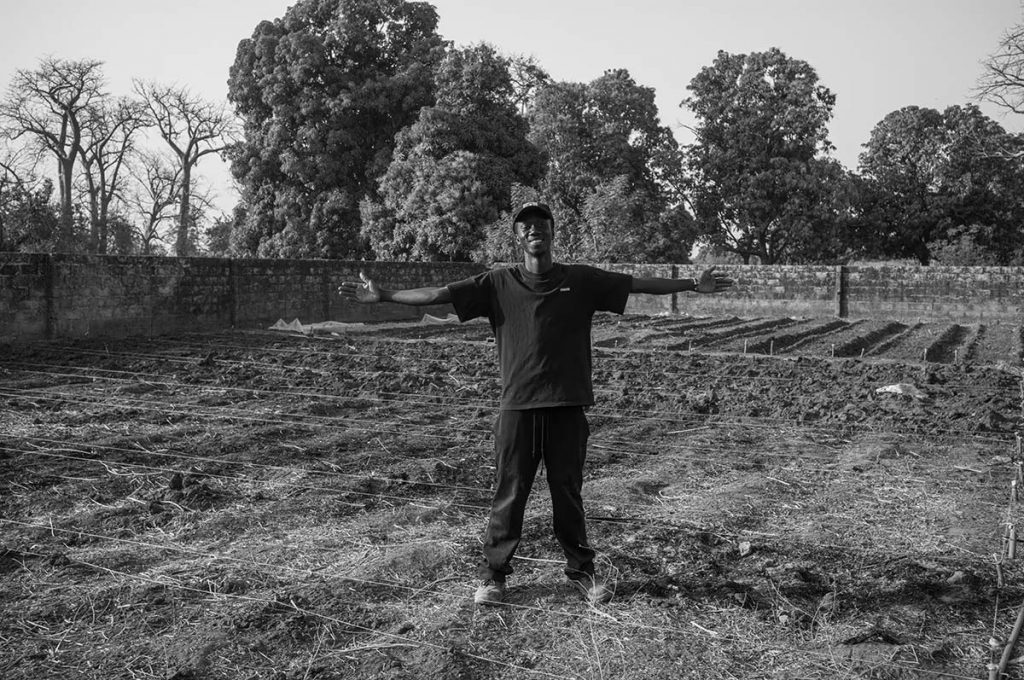
Foday lives in Japineh in the Lower River Region on his family’s compound. He has been fortunate several times. Behind the house, his family owns about one third of a hectare of land protected by a wall, which he can use for horticulture.

He also participated in the competition organized by the FAO, Sabab Lou, and the Gambian partner organization and, like Mamadi Jallow, emerged as one of the five winners. He received a grant of 290,000 Dalasi, roundabout 3,500 EURO, enabling him to procure the basic assets and inputs to start horticultural production: a solar irrigation system, seeds, a motorbike, and tools for soil preparation.

He is all smiles, stands in the middle of his beds, and spreads his arms wide. My land, my life now. We advise him to envisage the further development of his business, especially by securing more land. He could offer the neighbouring landowner a piece of forest owned by his family in exchange for the adjacent plot.

Musa C.

born 23.06.2002

Musa works with Mamadi and Lamin on the same vegetable and poultry farm in Faraba Sutu in the West Coast Region. He earns 4,500 Dalasi, roundabout 55 Euro, per month, 25 Euro of which go to his family. As he started later than Mamadi and Lamin, his salary will soon be increased to 5,000 Dalasi, 60 Euro. His plan: sheep fattening.

Buba J.

born 05.11.2002

Buba works on a large vegetable farm in Shom, West Coast Region. He earns 7,000 Dalasi per month (around 90 Euro). Of that, 25 Euro go to his mother, 25 Euro to his father, and 25 Euro he can save. Accommodation is free; he must pay for his own food. His plan: vegetable production and sheep fattening.

Yusupha B.

born 14.02.2002

Since July 2025, Yusupha has been working with Bubacarr on a vegetable farm in Dimbaya, West Coast Region. He earns 5,000 Dalasi (60 Euro) per month, 30 Euro of which go to his family. Accommodation and food are provided.

When we arrived around noon, five freshly caught fish had been laid out near the fireplace. In his previous job, Yusupha earned only 4,000 Dalasi (50 Euro).

Bubacarr S.

born 08.05.2001

Together with Yusupha, Bubacarr works on the vegetable farm in Dimbaya in the West Coast Region. He earns 5,000 Dalasi (60 Euro) per month, 30 Euro of which go to his family. His plan: set up a vegetable farm in Jarra, for which the family will provide the land.

Fatou C.

born 26.03.2002

Since July 1, 2025, Fatou has been working on a poultry farm in Nyofelleh, West Coast Region. She earns 4,500 Dalasi, roundabout 55 Euro, per month and transfers the entire amount to her family. Food and accommodation are provided free of charge. She says she got married on July 25, 2025.
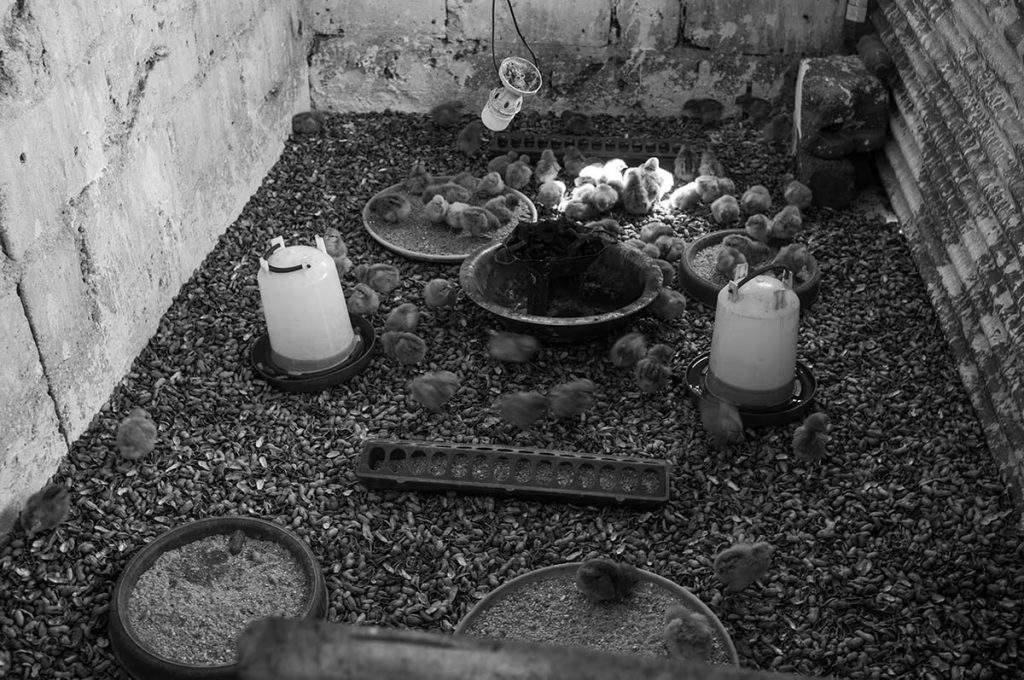
We ask about her husband, what he does and where he lives. In front of her room, she smiles into the camera; at work among the chicks, seemingly unaware of the photographer, her gaze seems directed towards another, distant goal.

Amie S.

born 08.08.2003

Amie lives with relatives in Lamin near the airport. After graduation, she enrolled at college to study animal husbandry. I ask about tuition fees: 12,000 Dalasi (150 Euro) per year, which are advanced by her family. Her plans beyond that are not yet certain.

Mariama W.

born 16.10.2001

Mariama works at the reception desk of the Tropic Garden Hotel in Fajara from 8 a.m. to 4 p.m., earning 3,500 Dalasi (just above 40 Euro) per month, of which 12 Euro go to her mother and 12 Euro into savings.

When we sit down in the hotel lobby, her supervisor immediately joins us and does not leave until we end the conversation. I felt comfortable enough to note that I consider Mariama’s salary as rather poor. The supervisor said she will think about it.

Sulayman J.

born 11.04.2004

Sulayman works at Tallinding Market on the Brikama Highway at his uncle’s booth. Previously, he had been working on a farm for very little pay. He now claims to earn 10,000 Dalasi, roundabout 120 Euro. Sulayman is a bit of a sly one; we are not entirely convinced.

By the way, once again there are plenty of Dutch onions and Indian eggs on the market. Something seems to be wrong with that world.

Abdoulie J.

born 24.07.2003

Abdoulie works in his brother’s shop near Senegambia. He earns 4,000 Dalasi, 50 Euro. With this money he trades in fashion articles like ladies’ bags and shoes on social media.

His plan: to trade in agricultural supplies and equipment in CRR, his home region.

Codeh J.

born 27.09.2003

Codeh lives with relatives in Brusubi Phase 1. After completing her training, she enrolled in animal husbandry studies in the Kombos near the capital, like Amie S.

Susan C.

born 29.11.2000

Susan works on a farm in Medina Salaam near Kartung, close to the border with Casamance. The larger farm keeps pigs, ducks, chickens, guinea fowl, and other livestock. Susan seems to be a hard working woman. She was one of the candidates for the FAO project but unfortunately was not among the final five to receive a grant.
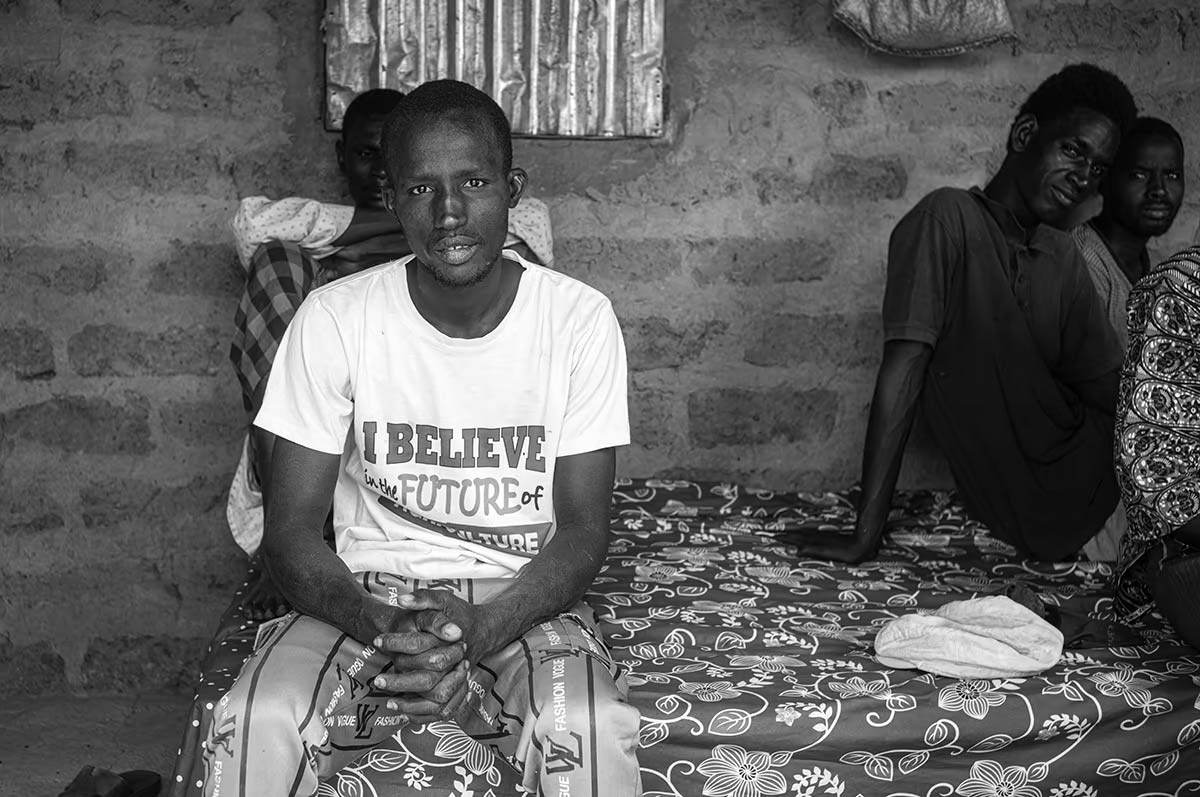
She earns 6,000 Dalasi (75 Euro) per month, which is, compared to others, not bad. Of that, 30 Euro go to her younger siblings, and she can save 30 Euro. I encourage her to apply for a loan. Her Christian family originates from Guinea-Bissau; her mother lives in Portugal, her father in the Kombos.

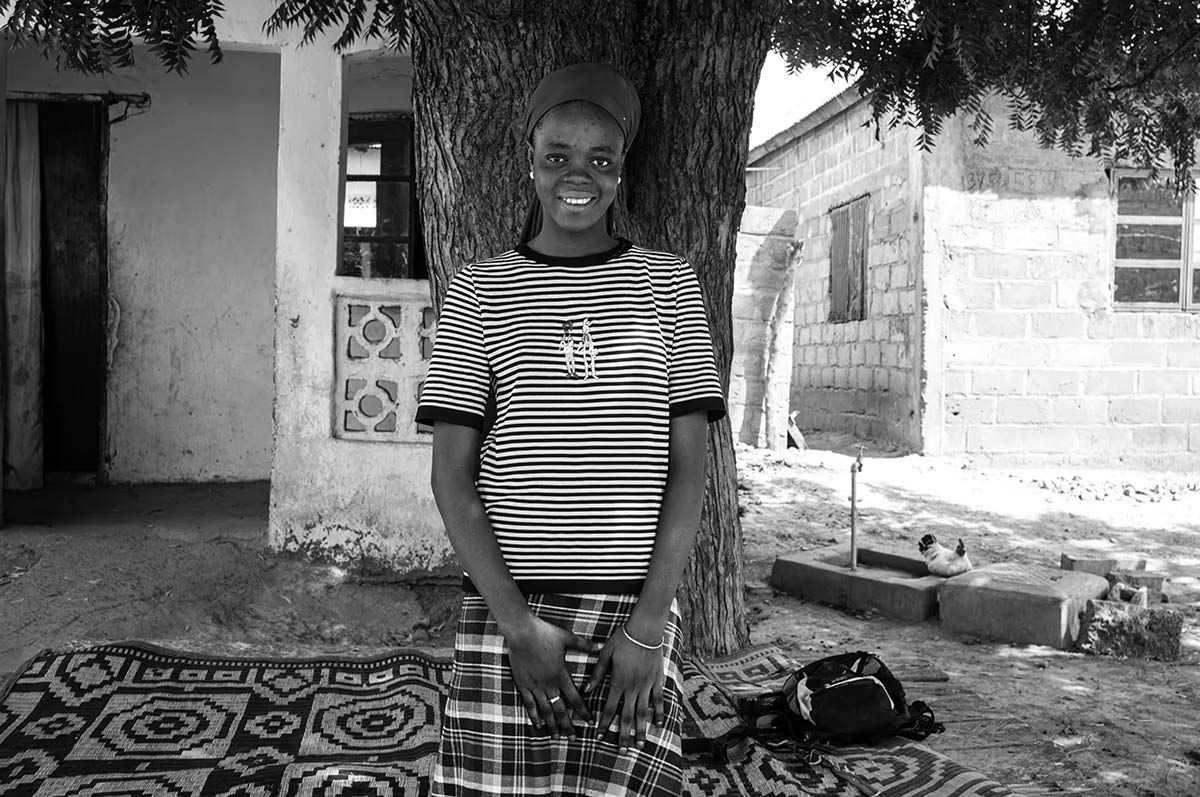
Egan S.

born 15.04.2003

Since June 2025, Egan has been working with Marun on a large vegetable farm in Sinchu Wurry, in a rather remote location in the West Coast Region. She earns 5,000 Dalasi (more than 60 Euro) per month; 25 Euro go to her family, and she can save 25 Euro.

Previously, she worked on a farm run by the Indo-British trading company Radville Farms for a daily wage of 150 Dalasi, six days a week, equivalent to 3,600 Dalasi (45 Euro) per month, a form of exploitation.

Her plan, once she has saved enough money: keep own layers. The garden, where she and Marun work, is well maintained.

Marun J.

born 13.09.2002

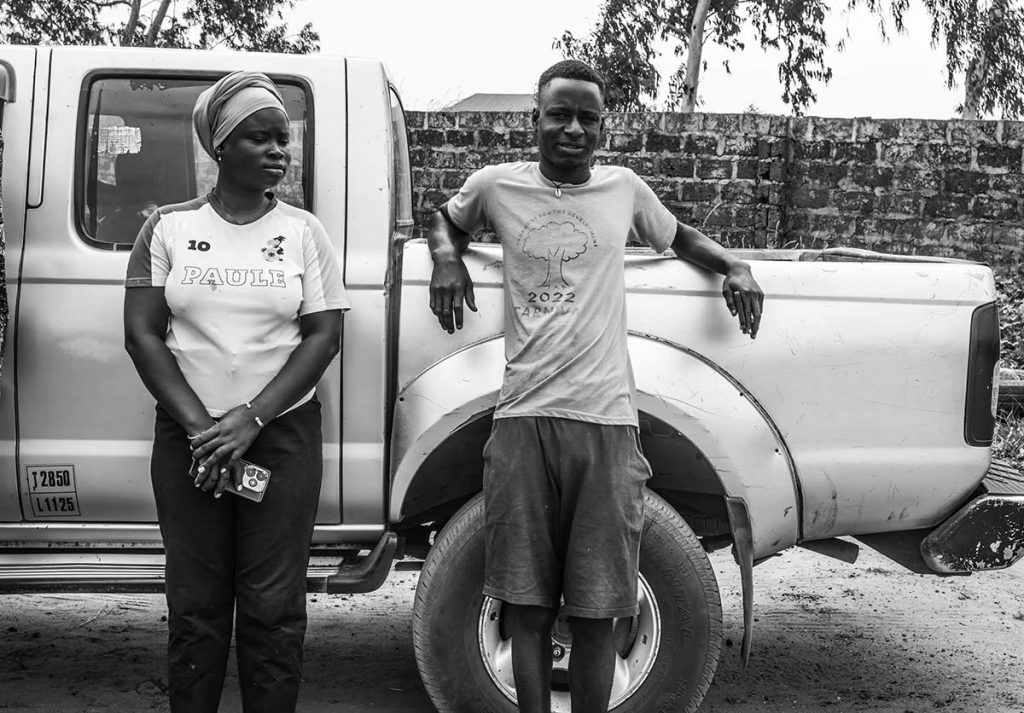
Since June 2025, Marun has been working with Egan on the vegetable farm in Sinchu Wurry. She earns 5,000 Dalasi (60 Euro) per month; 25 Euro go to her family, and 20 Euro are saved. Her plan: keeping some sort of livestock; she doesn’t specifiy it.

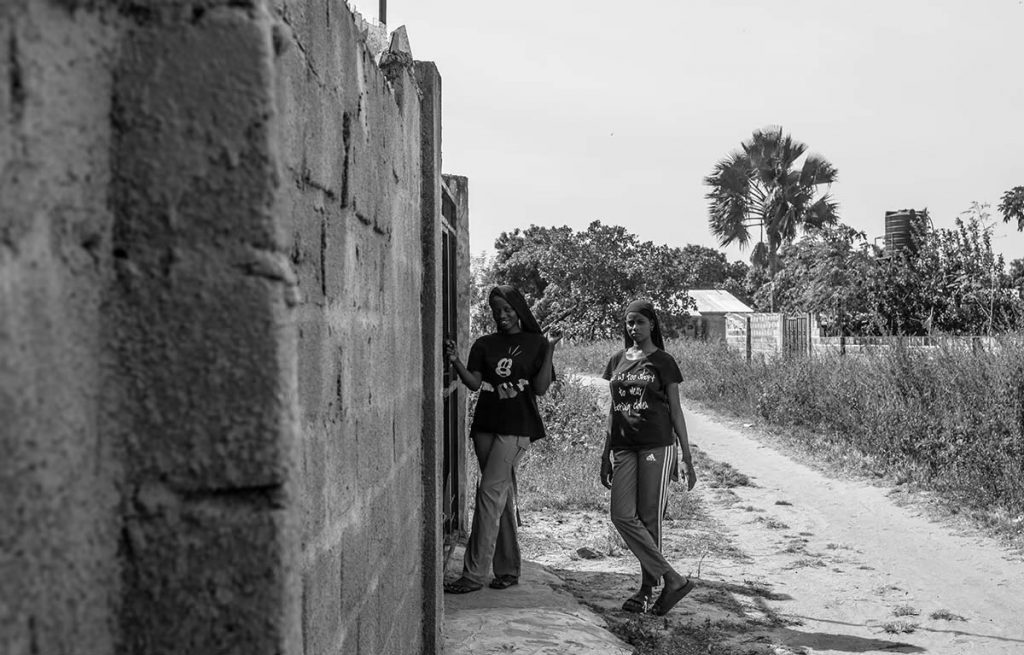
As usual, the farm is surrounded by walls; the two young women are on their own day and night. As we say goodbye, they stand at the entrance and greet us shyly. I wonder what kind of life awaits them.

Karamo D.

born 26.10.1998

Karamo works with a colleague in a vegetable garden in Soma. Accommodation and food are free. We briefly meet him on the road between Soma and Farafenni shortly before nightfall.

He earns 5,500 Dalasi (70 Euro) per month; 2,500 Dalasi are transferred to his family, 1,500 are saved, the remainder is for personal expenses. His plan: poultry farming.

Kaddijatou B.

born 28.5.2004

We met Kaddijatou by the roadside in Brikama on our way to Soma. After completing her training, she enrolled at college to study animal health together with Amie Sallah. Annual tuition fees amount to 12,000 Dalasi (150 Euro).

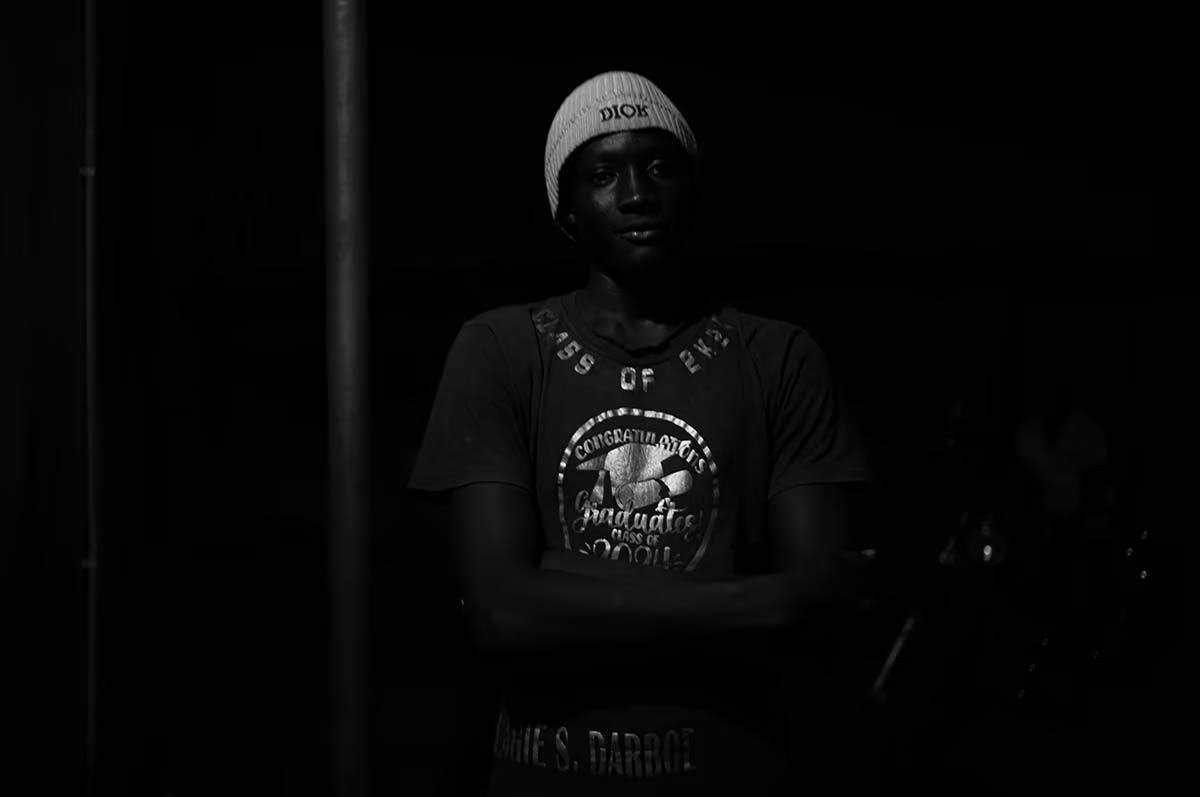
Alagie S. D.

born 14.06.2000

It was already dark when we reached Alagie’s home in Bureng. He told us that, in preparation for establishing a poultry farm, he had already begun building a chicken house.

He believed in good faith that his “brothers”, as he calls them, would grant him the plot of land where he had started construction. But unfortunately they claimed ownership themselves. The money he had spent on the unfinished construction is lost.

One might say it was bad luck. I feel sorry for him. Two years of training, then, eager to realize his dream as soon as possible, he ends up in the dark, out of a sudden. Alagie is not alone with such bad experience.

I know of large aid organizations that have failed to secure land ownership before starting construction. It is a classic pitfall in development projects.

Jankey S.

born 08.04.2002

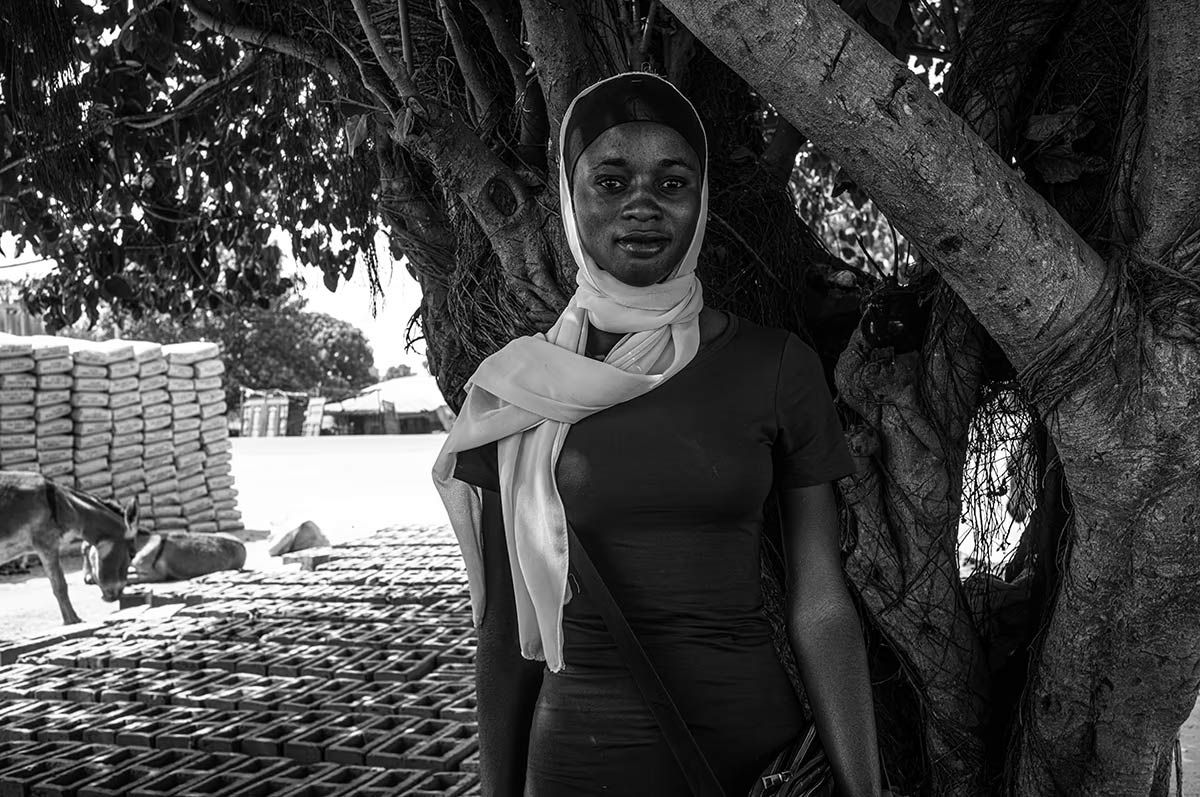
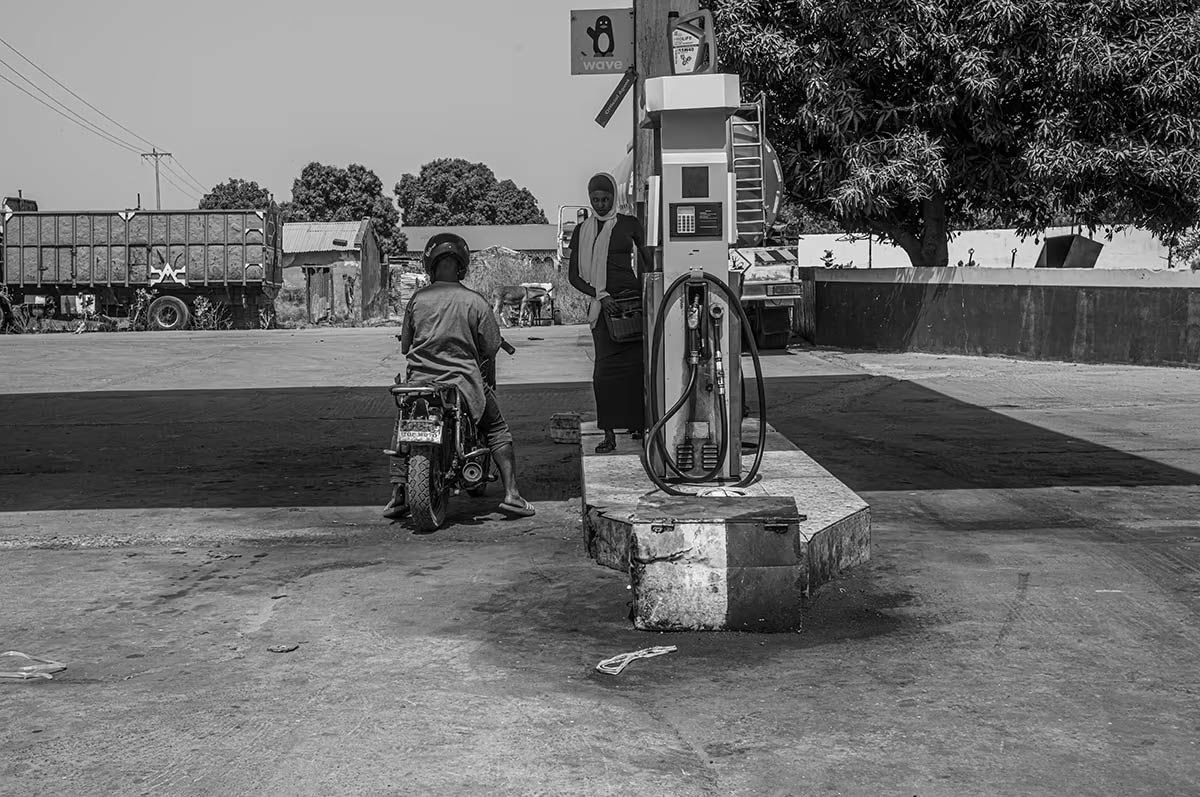
We meet Jankey at a large family compound in Dingerai, around five kilometres north of Wassu in the Central River Region. Jankey works at a petrol station in Wassu and earns 4,000 Dalasi (50 Euro). She says she wants to work with poultry, but she still seems rather undecided.

Yama S.

born 18.01.2003

Yama works at the same gas station in Wassu as Jankey. She says she earns 6,000 Dalasi (75 Euro) . Her plan: ram fattening.

Awa S.

born 24.09.2004

Awa comes from the same clan as Jankey and Yama and lives in the same compound in Dingerai. She recently received 100 small birds of so called dual purpose chicken, granted by the International Organization of Migration (IOM) and, at the time of our visit, was expecting a cohort of young broilers.

Dual purpose hens can be held for egg production as well as meat production. In addition, she owns one ram and three sheep. Every two months, she sells 100 to 150 broilers at 400 Dalasi (5 Euro) per bird. She is married and has one child; her husband works in the Kombos. A strong woman.

Ida S.

born 06.02.2004

Ida works in a print and stationery shop in Wassu, directly opposite the petrol station where Jankey and Yama work. She earns 6,000 Dalasi (75 Euro) per month; 2,500 Dalasi go to the family, she can save 2,500 Dalasi.

Until December 2025, she worked on a farm in the West Coast Region but has now returned to the Central River Region. Her plan: to re-enter agriculture, either with vegetables or poultry. She seems determined.

Sarjo J.

born 22.12.2002

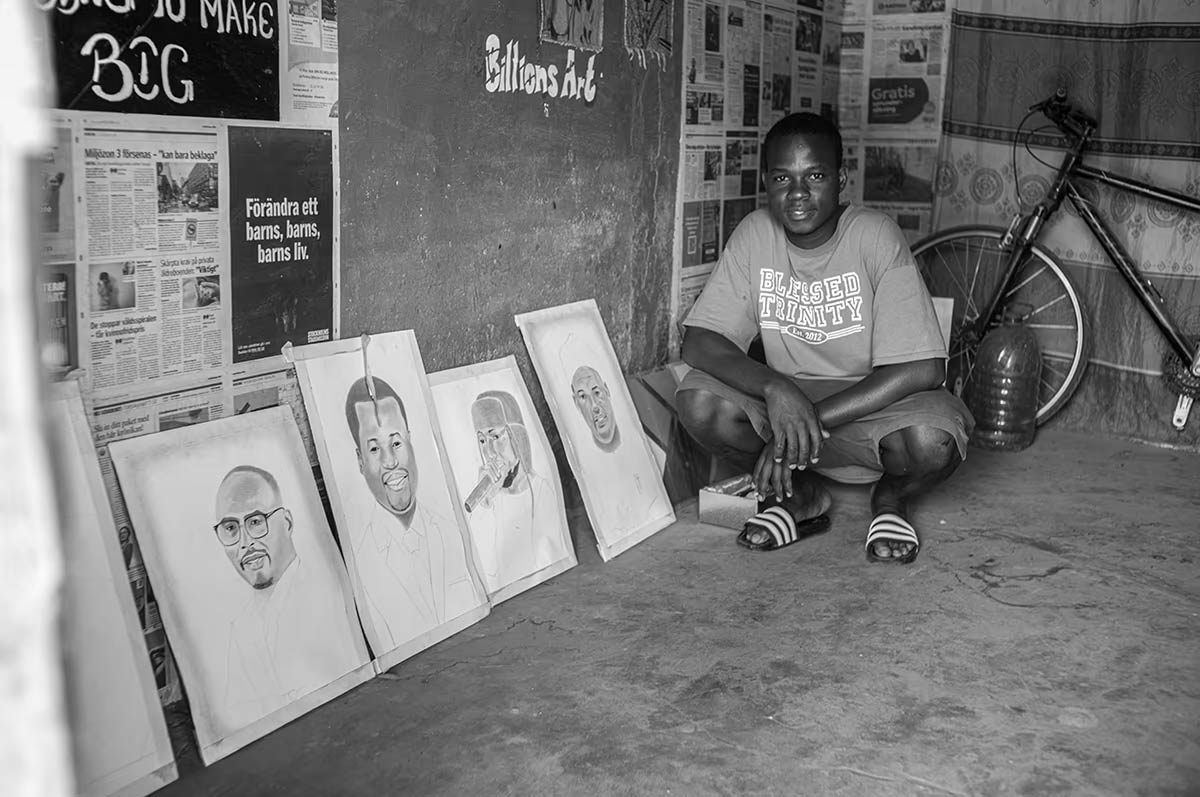
We meet Sarjo in Farafenni, in a compound where he rents a room for 1,000 Dalasi (12 Euro) per month. One and a half years ago, he graduated as one of the top students in his class. He describes himself as an artist and proudly shows me several portraits, one depicting a minister, another President Barrow. He created them all by hand and shows me the box with his pencils.

He also paints murals on buildings and says he gets around three jobs per month. For the graduation ceremony in November 2024, he designed the podium. When asked whether he would like to work in agriculture, he answers with a firm no.

I suggest he applies to an arts and crafts school, perhaps in Dakar, to try and get a stipend. Sarjo is a strong and impressive person. I believe he can succeed as an artist, wether in Senegal or in The Gambia.

Alagie J.

born 06.10.1998

Alagie, whom we visited in December on a farm in the West Coast Region, has returned to his home village of Sanda in the Central River Region. With a loan of 90,400 Dalasi, equalling more than 1,000 Euro, he has started a ram fattening project with five rams and two sheep.

Sanda is quite remote, located near the Senegalese border, at the height of Wassu. There is no electricity. The faces of the people speak of the hardship of life in this area. While Momodou retreats for Zhur prayer, I sit inside the family house, and Alagie offers me peanuts.

A refrigerator, donated by an aid organization, stands next to us without any use. The rams and sheep look healthy. But is that enough for a better life?

Assan B.

born 11.08.1999

Since August 2025, Assan has been working on a vegetable farm in Salikene in the North Bank Region together with a colleague who only graduated last autumn.

He earns 6,000 Dalasi (75 Euro) per month. Of that, 3,000 Dalasi go to his family, and 2,000 Dalasi he saves for himself. His plan: to establish his own vegetable farm.

Maimuna G.

born 09.10.2001

Since May 2025, Maimuna has been working with Jainaba C. and Mafanta J. on a large vegetable farm in Alkali Kunda in the North Bank Region. Working hours are from 8:00 to 11:00 a.m. and from 4:00 to 6:00 p.m.

She earns 6,000 Dalasi (75 Euro) per month; 3,000 Dalasi go to her family, and 2,000 Dalasi are for personal expenses. She doesn’t comment on savings. Her plan: ram fattening.

Jainaba C.

born 03.06.2001

Since May 2025, Jainaba has been working with Maimuna and Mafanta on a vegetable farm in Alkali Kunda. Working hours are from 8:00 to 11:00 a.m. and from 4:00 to 6:00 p.m.

She earns 6,000 Dalasi (75 Euro) per month; 2,500 Dalasi go to her family, and 2,500 Dalasi are for personal expenses. No information about savings. Her plan: ram fattening.

Mafanta J.

born 17.06.2001

Since May 2025, Mafanta has also been working with Jainaba and Maimuna on a vegetable farm in Alkali Kunda. Working hours are from 8:00 to 11:00 a.m. and from 4:00 to 6:00 p.m.

She earns 6,000 Dalasi (75 Euro) per month; 3,500 Dalasi go to her family, and 1,500 Dalasi are for personal expenses. No information about savings. Her plan: ram fattening.

Acknowledgment

The CEO of our Gambian partner organization, Momodou Y. Bah, enabled access to these young people, to where they live and where they work. He drove me all across the country. Many of the communities, being remote, are not even marked on Google Maps; I would have been lost on my own.

But above all, it was through my conversations with Momodou that I came to understand the worries and hardships of these young people, their struggle for a dignified and human life.
“One sees clearly only with the heart. What is essential is invisible to the eye.” (Antoine de Saint-Exupéry)

Thank you, Momodou.

In the following, I asked my naïve, though not entirely trivial, questions and simply held up the camera.